Overlay vs. Tear-Off Roof Installation in Hollywood, FL: Which Is Allowed?
It is one of the most common questions homeowners ask before committing to a roof installation: can the new roof simply go over the old one? Overlays — also called re-covers or nail-overs — are still marketed in some parts of the country as a fast, low-cost alternative. In Hollywood, Florida, the answer is far more restrictive, and understanding why protects you from a proposal that will not survive inspection.
This is part three of our roof installation series. If you are still comparing bids, our guide to roof installation cost drivers in Hollywood explains why an overlay quote can look artificially cheap.
What an Overlay Actually Is
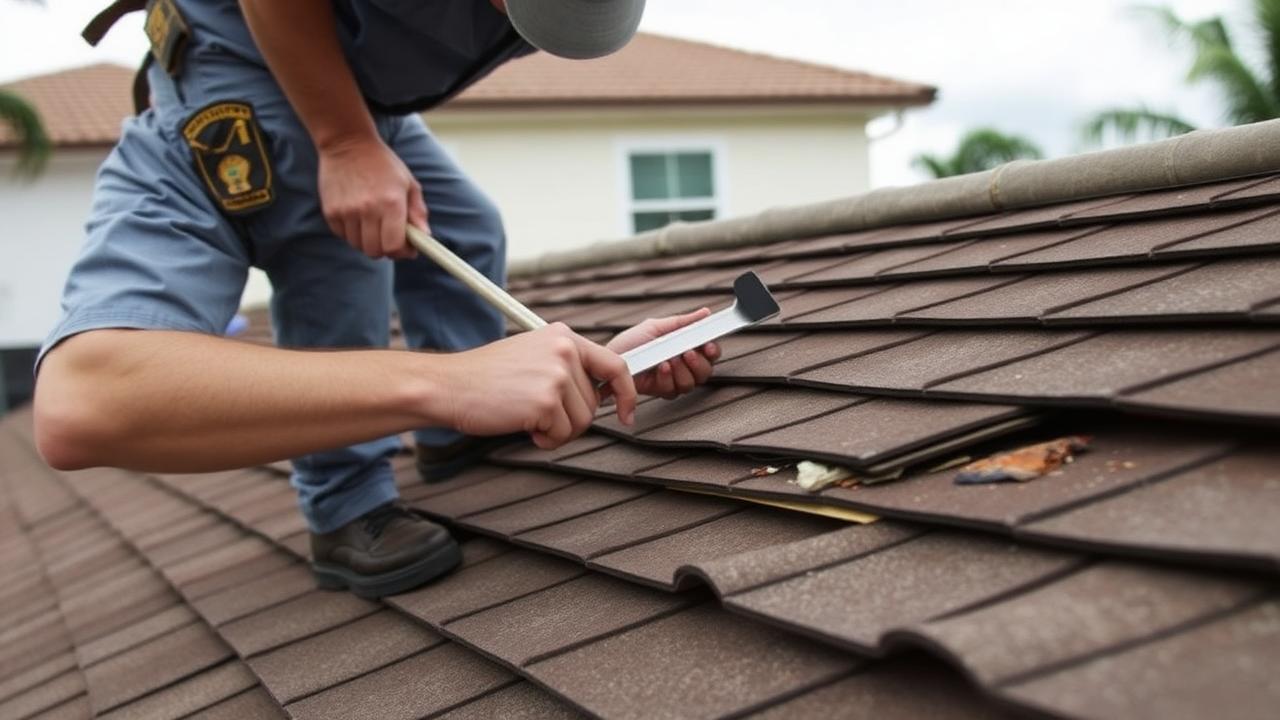
An overlay installs new roofing material directly over the existing layer without removing it. The appeal is obvious: no tear-off labor, no disposal fees, fewer crew days. The problems are less obvious until several years later.
- The deck is never inspected, so rot, delamination, and undersized sheathing stay hidden.
- No secondary water barrier can be installed against the deck — the layer South Florida code relies on during wind-driven rain.
- Fasteners must penetrate through the old layer, reducing effective embedment into the deck.
- Trapped heat between layers accelerates aging of the new material in Hollywood's climate.
- Added dead load increases stress on the structure.
How Broward County and the HVHZ Treat Overlays
Hollywood sits in the High-Velocity Hurricane Zone, and the Florida Building Code's HVHZ provisions require a secondary water barrier applied to the deck surface on new installations and replacements. That single requirement eliminates the overlay for most residential projects, because you cannot install a deck-adhered barrier without exposing the deck.
Two additional realities apply locally:
- The 25% rule. When repairs or re-covering affect more than 25% of the total roof area within a twelve-month period, the work generally triggers bringing the roof section into compliance with current code rather than matching what was there before.
- Deck inspection is mandatory. Broward inspectors verify the exposed deck before dry-in. An overlay skips a step the permit process requires.
Some low-slope and specialty assemblies allow recovery boards or membrane re-covers under specific product approval conditions, but these are engineered exceptions with documentation — not a shortcut a contractor can offer verbally over the phone.
What Tear-Off Roof Installation Delivers
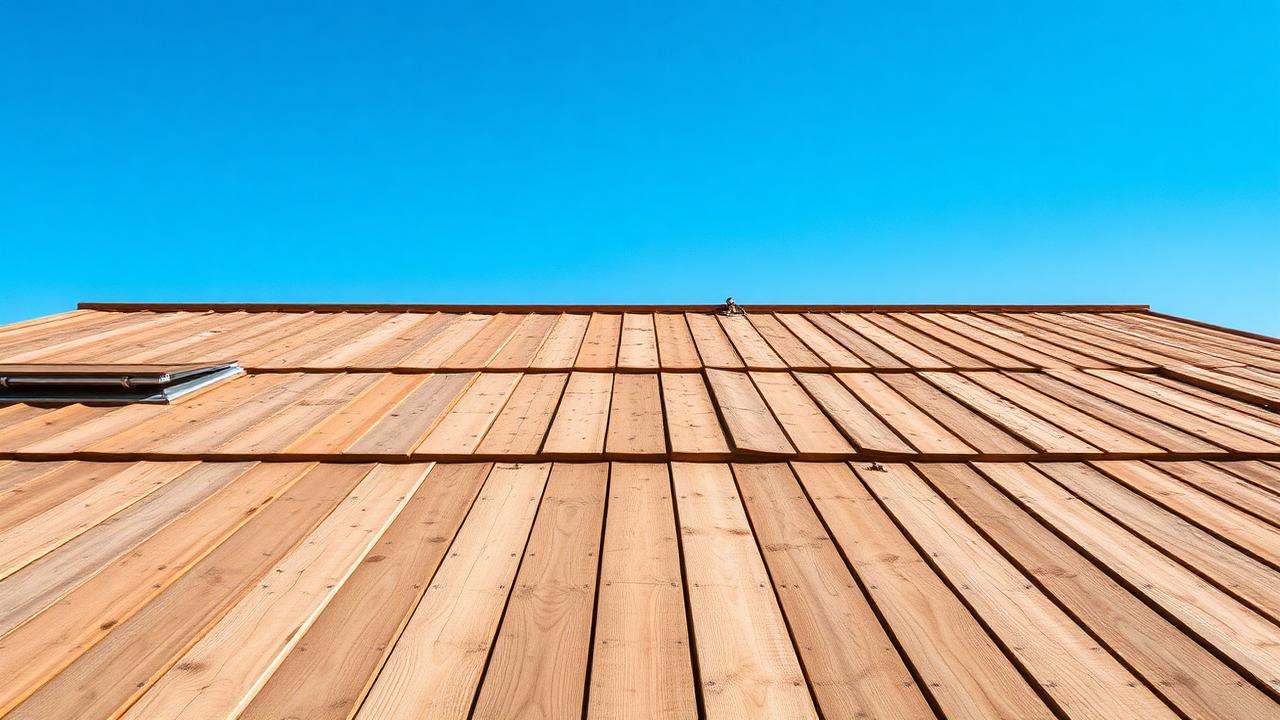
A full tear-off removes everything to the sheathing. That exposes the parts of your roof that determine performance:
- Deck integrity. Soft, delaminated, or thin panels are replaced before anything covers them. Older homes in Hollywood Lakes and near Hollywood Beach commonly reveal moisture damage around valleys, chimneys, and eaves.
- Fastening. Sheathing can be re-nailed to current uplift requirements, which is also one of the categories credited on a wind mitigation inspection.
- Full secondary water barrier. Applied deck-wide, not just at valleys and eaves.
- Correct flashing integration. New flashing is layered into the underlayment rather than surface-sealed over old material.
- Accurate service life. The new system starts from a clean substrate, so the manufacturer's expected life is realistic rather than optimistic.
The consequence is a roof that is inspectable, insurable, and documented — details that matter directly when you request premium credits, as covered in our article on insurance and wind mitigation after a new roof.
Side-by-Side Comparison
| Factor | Overlay | Tear-Off Installation |
|---|---|---|
| Deck condition verified | No | Yes |
| Secondary water barrier on deck | Not possible | Required and installed |
| Passes Broward deck inspection | No inspection performed | Yes |
| Fastener embedment | Reduced | Full |
| Heat retention | Higher | Normal |
| Insurance documentation quality | Weak | Complete |
| Upfront cost | Lower | Higher |
| Realistic cost over 20 years | Higher | Lower |
When Homeowners Are Told an Overlay Is Fine
Overlay proposals surface most often in two situations: after a major storm, when out-of-area crews move through Broward County chasing volume, and at the very bottom of a price comparison. Both deserve scrutiny.
Ask any contractor proposing a re-cover for three things in writing: the specific product approval that permits the assembly, confirmation that the City of Hollywood will permit it as described, and how the secondary water barrier requirement is satisfied. A legitimate answer exists for a narrow set of low-slope projects. If those answers are vague, you are looking at work that may fail inspection or void your coverage.
The Middle Ground: Targeted Repair Instead of Premature Replacement
Not every roof needs full replacement yet. If your roof is under fifteen years old and damage is localized — a handful of slipped tiles, a failed pipe boot, one valley — a properly executed roof repair is legitimate and code-compliant, and it buys you time to budget. A documented roof inspection establishes which category you are in with photographs rather than guesswork.
The distinction matters: repair is a scoped fix to a sound system. An overlay is a full new roof installed on an unverified foundation. Only one of those is defensible.
Special Cases Worth Knowing
- Flat and low-slope sections. Many Hollywood homes have a flat porch or addition. These use different assemblies and, in limited cases, approved recovery systems — always documented by product approval.
- Structural weight. Tile over an existing layer adds significant dead load. Any tile installation should confirm structural capacity, which is another reason tear-off is standard.
- Mixed-material roofs. Where tile meets flat membrane, tear-off allows the transition detail to be rebuilt correctly rather than patched.
Frequently Asked Questions
Is an overlay ever legal in Hollywood, FL?
Only under narrow, product-approved conditions — generally on specific low-slope assemblies — and it must be permitted as such. It is not a general option for residential sloped roofs in the HVHZ.
Will my insurer accept an overlay?
Insurers increasingly require documentation of a code-compliant installation. An overlay produces little verifiable documentation and can complicate future claims.
Does tear-off cost significantly more?
It adds labor and disposal, and tile removal costs more than shingle removal. That difference is small relative to replacing a failed roof early or paying out of pocket for a denied claim.
How do I know my deck is really being inspected?
Your permit record shows each inspection result. Ask for the permit number at the start of the project and confirm the deck inspection passes before dry-in.
Next Step
Get an honest assessment of whether your roof needs replacement — and what assembly Broward County will approve. Schedule a free evaluation or explore our roof installation services in Hollywood, FL.
Continue the series: Roof Installation and Attic Ventilation → · ← Roof Installation Timeline Day by Day