Signs You Need a New Roof on Your Hollywood Home
According to the Federal Emergency Management Agency, residential roof assemblies endure the most direct stress during extreme coastal weather events. For homeowners in Hollywood, Florida, this constant exposure to tropical systems, intense UV radiation, and high humidity means that structural wear happens much faster than in inland regions of the country. Recognizing the physical warning signs of a deteriorating system early can save your property from catastrophic water intrusion during the next major storm.
Ignoring a failing roof system often leads to secondary issues like rotted decking, compromised insulation, and structural decay inside the attic space. By identifying these issues ahead of time, you can transition smoothly into a professional roof installation rather than dealing with an emergency scenario in the middle of hurricane season.
1. Piles of Granules in the Gutters
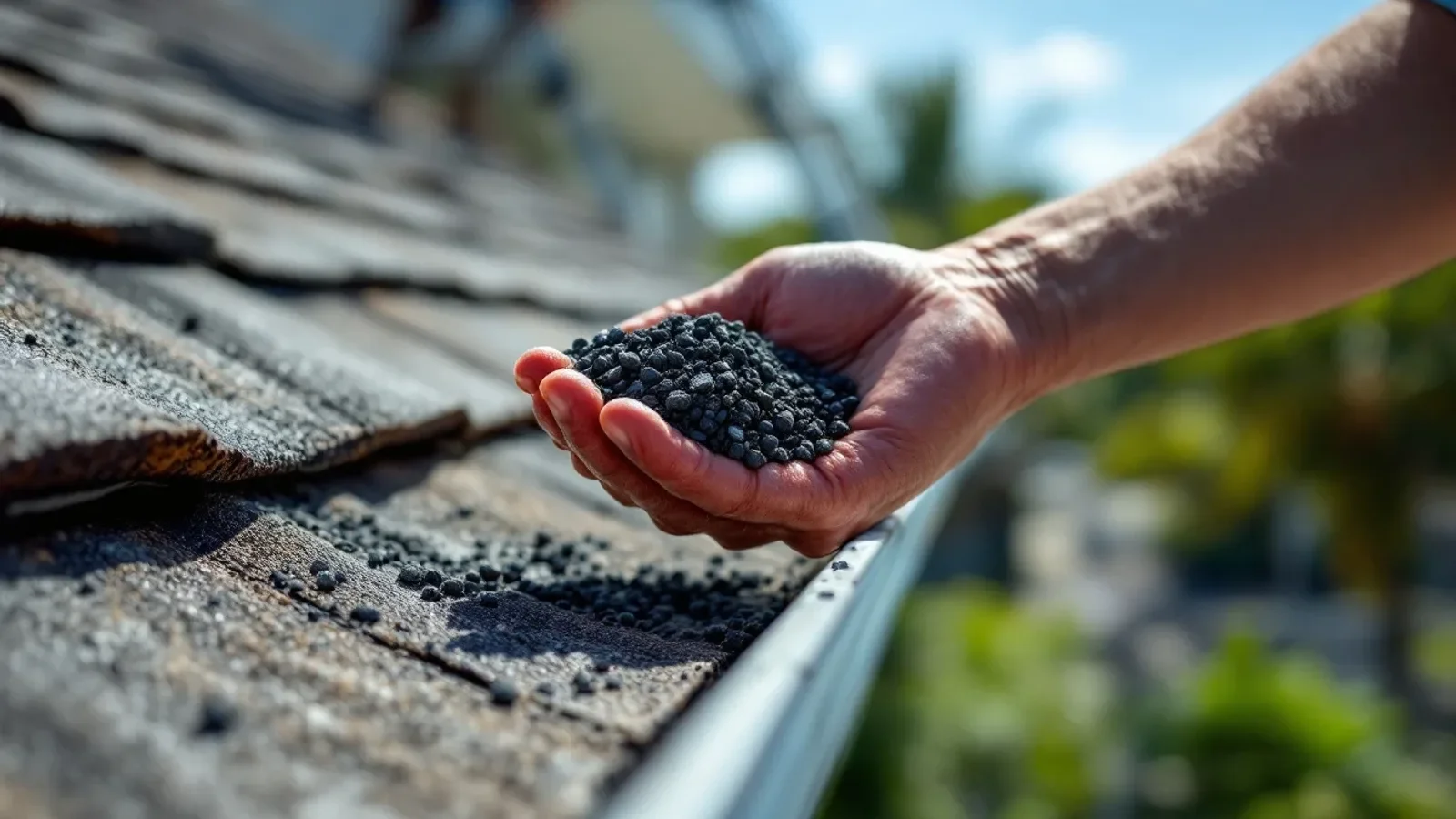
As asphalt shingles age, they gradually lose the protective ceramic granules that shield the underlying asphalt layer from damaging ultraviolet rays. When these granules shed, they wash down the slope and collect in your gutter system, resembling dark, coarse sand. This shedding is more than just a cosmetic concern. Without granules, the asphalt is exposed directly to the harsh South Florida sun, which dries out the material, causes it to crack, and quickly leads to leaks. If you clean your gutters and find large amounts of this sediment accumulation, your shingles have likely reached the end of their functional lifespan.
2. Curling, Buckling, or Missing Shingles
Strong winds from coastal storms can easily lift shingle tabs that have lost their adhesive seal. Over time, heat and moisture cause the edges of the shingles to curl upward (known as clawing) or buckle in the center. These distorted shingles can no longer shed water properly, allowing driving rains to slip underneath the protective barrier. If you notice bare spots on your roof where shingles have blown off completely, the wood deck underneath is highly vulnerable to rapid rot. Addressing these issues early prevents water from reaching your drywall and ceiling support joists.
If you want it handled correctly the first time, consider professional roof installation.
3. Cracked or Damaged Flashing
Flashing is the thin metal material installed over joints, valleys, and around roof penetrations like chimneys, vent pipes, and skylights. It is designed to redirect water away from these vulnerable transition points. Over time, the sealants holding the flashing in place dry out, crack, and pull away, or the metal itself begins to rust. In our coastal climate, salt air accelerates the corrosion of non-galvanized metal components. Damaged flashing is one of the most common entry points for water, and if your flashing is failing across multiple areas, it is a strong indicator that the entire system is reaching structural exhaustion.
4. Water Stains on Ceilings and in the Attic
One of the most obvious signs that you need a major upgrade is water staining inside your living space. These stains typically appear as dark brown or yellowish rings on your ceilings or running down interior walls. However, waiting until water drips into your bedroom is a risky approach. Homeowners should regularly inspect their attic space with a flashlight, especially after a heavy downpour. Look for damp rafters, dark water tracks along the underside of the plywood decking, or wet insulation. If moisture is consistently penetrating the outer barrier, a comprehensive assessment is necessary to prevent structural wood rot.
5. Sagging Rooflines and Structural Droop
Many local homeowners rely on expert roof installation for exactly this.
A sagging roof is a severe warning sign that requires immediate professional attention. When you look at your home from the street, the ridge line should be straight and level, and the slopes should appear flat. If you notice dipping, curving, or sagging sections, it generally points to a structural issue under the surface. This is often caused by long-term water damage that has rotted the plywood decking, rafters, or support trusses. In Hollywood's humid climate, once water weakens these structural timber elements, they lose their load-bearing capacity, making the entire structure unsafe during high-wind events.
6. Advanced Age and Outdated Building Standards
In Hollywood, Florida, a home's roof is subject to strict building codes designed to withstand major wind events. If your current roof was installed over fifteen to twenty years ago, it likely does not meet modern wind-mitigation standards, regardless of how it looks from the ground. Older installations often lack secondary water barriers, ring-shank nails, or heavy-duty hurricane straps that are standard in modern construction. Upgrading an aging system is not just about stopping active leaks; it is about bringing your home up to modern structural codes to ensure it remains anchored and secure during severe coastal weather. If you are planning an upgrade, it is also a great opportunity to explore the differences in performance by choosing roofing materials for Hollywood weather.
7. Excessive Moss, Algae, or Mold Growth
While a small amount of dark algae staining (often Gloeocapsa magma) is common in humid environments, heavy growth that holds moisture against the roofing material is a serious threat. When moss and mold take root on asphalt shingles or tile grout, they hold water directly against the surface, preventing the system from drying out in the sun. This constant dampness speeds up the decay of the organic mat inside shingles and can rot the underlayment beneath clay or concrete tiles. If your roof has become an active garden for vegetation, the moisture-retaining materials are likely compromised underneath.
Ready for the next step? Learn how roof installation services can help and reach out to the team.
Frequently Asked Questions
How long does a typical roof last in South Florida?
The lifespan of a roof in our region depends heavily on the material used, but typical asphalt shingle systems generally last fifteen to twenty years due to intense heat, UV exposure, and tropical weather. Metal and tile systems can last significantly longer if they are properly installed and maintained.
Can I just repair the leaky sections instead of getting a new roof?
If the damage is isolated to a small area from a fallen branch or localized impact, a repair may be sufficient. However, if the shingles are brittle, losing granules, or curling across multiple slopes, repairing individual spots will not stop new leaks from developing elsewhere as the material continues to degrade.
Will a new roof help reduce my homeowner's insurance premiums?
Yes, in Florida, installing a new roof that meets current building codes and passing a wind mitigation inspection can often lead to substantial discounts on your property insurance premiums. Insurers favor modern wind-resistant installations and secondary water barriers that reduce the risk of major water damage claims.
Paying close attention to these warning signs can prevent costly interior damage and give you peace of mind before the storm season arrives. If your home is showing several of these symptoms, it is time to have a professional evaluate your system and discuss structural replacement options. Reach out to PSR Roofing Company of Hollywood to secure your home with a strong, modern roofing system built to withstand the elements.
Continue reading