Choosing the Best Roofing Materials for High Winds in Hollywood, Florida
Which roofing material actually holds up best against the intense wind and heavy rain of a South Florida hurricane? This is the central question for anyone planning a roof upgrade in our region. In Hollywood, Florida, your choice of roofing material is not just an aesthetic decision, it is your home's primary defense against tropical storms, persistent humidity, and salt-heavy sea air. Selecting the right system can mean the difference between minor storm maintenance and catastrophic water intrusion.
When preparing for a complete roof installation, understanding how different materials handle extreme wind uplift is essential. Every roofing system has unique strengths and vulnerabilities under the pressure of coastal weather. By evaluating the local building codes, structural demands, and material properties, you can make an investment that protects your property for decades.
Understanding Wind Uplift and Coastal Storm Pressures
To choose the right material, it helps to understand what happens to a roof during a windstorm. High winds do not just push against a building, they create a powerful vacuum effect as they rush over the roof deck. This suction, known as wind uplift, pulls upward on shingles, tiles, and metal panels. If the roofing material is not properly secured, or if the material itself lacks the structural integrity to resist this force, the roof can peel away, exposing the underlayment and decking to heavy rainfall.
In addition to uplift, coastal properties must contend with wind-borne debris. During severe weather, branches, outdoor furniture, and loose items can become airborne projectiles. A material that offers high wind resistance must also possess the impact resistance needed to withstand these sudden strikes without cracking or puncturing.
Clay and Concrete Tile Roofing
Clay and concrete tiles are staple features of residential architecture across South Florida. Known for their classic Mediterranean aesthetic, these materials are heavily favored for their natural weight and durability.
In terms of wind resistance, the sheer weight of tile works to its advantage. Properly installed concrete and clay tiles are exceptionally stable. Modern installation techniques, which include robust adhesive foams and mechanical fasteners, allow tile roofs to resist winds exceeding 150 miles per hour, meeting the strict requirements of the High Velocity Hurricane Zone (HVHZ) standards.
However, tile is not entirely immune to storm damage. While the system itself is highly wind-resistant, individual tiles can crack if struck by large flying debris. If a tile breaks or shifts, it can leave the underlying waterproof barrier exposed. Additionally, because of the heavy weight of clay and concrete, a qualified professional must verify that your home's structural framing can support the load before installation begins.
Metal Roofing Systems
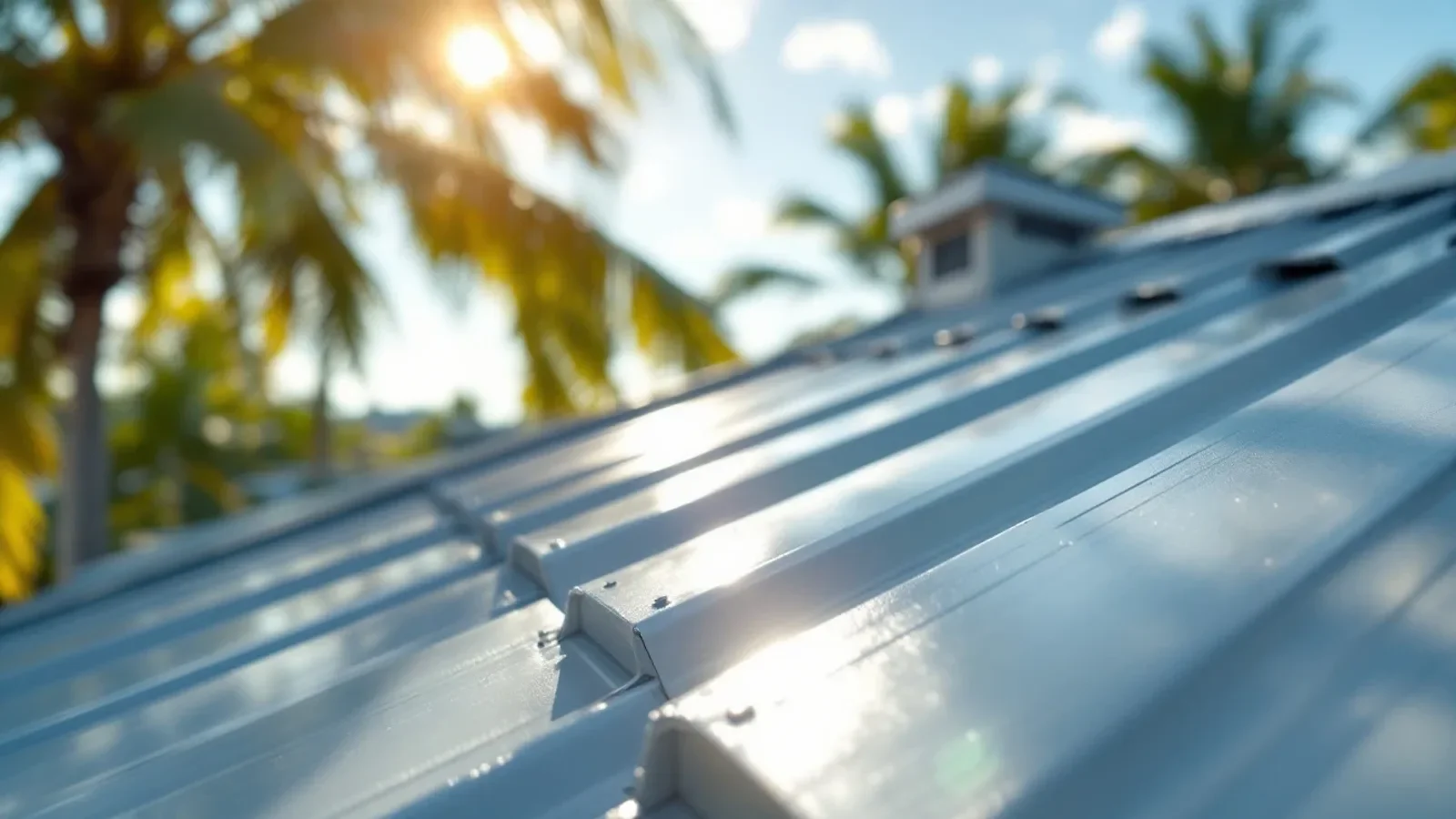
Metal roofing has surged in popularity throughout Hollywood, Florida, due to its outstanding performance in severe weather. Homeowners can choose between standing seam systems, where the fasteners are concealed, and exposed fastener panels.
Standing seam metal roofing represents the gold standard for wind resistance. Because the metal panels lock together interlocking seams and are anchored to the roof deck with concealed clips, there are no exposed screws or puncture points where water can seep in. This design allows standing seam metal roofs to handle wind uplift forces with ease, often surviving major storms with zero panel loss.
Metal is also highly impact-resistant, meaning it is far less likely to crack or puncture when hit by falling branches compared to traditional tile. Furthermore, metal reflects solar heat, which helps lower cooling bills during our hot, humid summers. The primary consideration for metal is ensuring that the specific alloy and coating used are rated for coastal salt-spray environments to prevent corrosion over time.
If you want it handled correctly the first time, consider professional roof installation.
Asphalt Shingle Roofing
Asphalt shingles remain a common choice for many property owners due to their versatility and straightforward installation process. However, when evaluating the best roofing materials for high winds, standard shingles require careful selection.
Traditional three-tab shingles have a lower wind rating and are generally not recommended for high-wind coastal areas. Instead, homeowners should opt for high-performance architectural or dimensional shingles. These shingles are thicker, manufactured with multiple layers, and designed with advanced adhesive strips that seal the shingles together to form a cohesive barrier.
Architectural shingles can achieve wind ratings of up to 130 miles per hour when installed with the correct number of nails and proper underlayment. While they may not offer the extreme lifespan of metal or tile, a professionally installed architectural shingle roof provides reliable, code-compliant protection. Regular inspections are recommended for shingle roofs, and homeowners should watch for signs of shingle damage such as curling edges or missing tabs after high-wind events.
The Hollywood Climate and Building Code Context
The geographic location of Hollywood, Florida, places it directly within the High Velocity Hurricane Zone (HVHZ) under the Florida Building Code. This designation carries some of the strictest construction and roofing standards in the United States. Any roofing project in this area must utilize products that have official Florida Product Approval, proving they have been rigorously tested to withstand high wind uplift pressures and wind-borne debris.
Our coastal environment also introduces continuous exposure to salt air, high humidity, and intense ultraviolet (UV) radiation. Salt air can accelerate the rust and deterioration of metal fasteners and low-grade metal panels. High humidity creates a breeding ground for algae and mold, which can discolor asphalt shingles and clay tiles. Therefore, local roofing systems must feature corrosion-resistant fasteners, high-quality underlayment, and UV-stable coatings to prevent premature degradation between major storms.
Comparing the Options for Hollywood Homes
To help you determine which system fits your property's structural design and performance goals, the table below compares the primary residential roofing materials across key storm-resistance and longevity criteria.
| Roofing Material | Wind Uplift Resistance | Impact & Debris Resistance | Salt Air & Corrosion Tolerance | Expected Lifespan |
|---|---|---|---|---|
| Standing Seam Metal | Excellent (Up to 150+ MPH) | Excellent (Resists puncturing) | High (With coastal-grade coatings) | 40 to 70 Years |
| Clay & Concrete Tile | Excellent (Due to weight & foam adhesives) | Moderate (Can crack from heavy impacts) | Excellent (Will not rust or corrode) | 50+ Years |
| Architectural Shingles | Good (Up to 110, 130 MPH) | Moderate (Can sustain tear damage) | Good (Algae-resistant options available) | 15 to 25 Years |
Which Material is Right for Hollywood Homes?
Choosing the ideal material depends on your property's architectural style, your long-term plans for the building, and the structural capacity of your current roof frame.
Many local homeowners rely on expert roof installation for exactly this.
If you own a classic Mediterranean or Spanish-style home with structural support already engineered for heavy loads, clay or concrete tile is an exceptional choice. It preserves the historic coastal aesthetic of South Florida while delivering top-tier wind resistance and a lifespan that can span several decades.
For modern homes, or those looking for the absolute highest level of protection against wind and debris with minimal weight, standing seam metal is the clear winner. Its resistance to uplift, lightweight profile, and modern appearance make it a highly resilient option for waterfront and exposed inland properties alike.
If you are looking for a reliable, code-approved option that provides solid defense on a shorter planning horizon, high-quality architectural shingles are a practical choice. When installed using enhanced coastal fastening patterns and premium self-adhering underlayment, shingles offer dependable protection against seasonal storms.
Regardless of the material you choose, the quality of the installation is what ultimately determines how the roof performs when a storm arrives. Partnering with an experienced local contractor ensures that every flashing detail, nail pattern, and underlayment layer is installed in strict accordance with South Florida's demanding building codes. For professional assistance in evaluating your home's needs, consider booking a thorough roof inspection to determine the best path forward for your property.
Frequently Asked Questions
What is the High Velocity Hurricane Zone (HVHZ) standard?
The HVHZ is a strict section of the Florida Building Code applying to Broward and Miami-Dade counties. It requires all roofing materials and installations to undergo rigorous testing to ensure they can withstand extreme wind speeds, high uplift pressures, and wind-borne debris impacts common during major hurricanes.
Can any home support a clay or concrete tile roof?
No, because clay and concrete tiles are significantly heavier than metal or asphalt shingles, your home's framing must be structurally capable of supporting the extra weight. A professional inspection or structural engineering assessment is typically required before retrofitting a tile roof onto a home that previously had shingles.
Do metal roofs rust when exposed to salt air near the coast?
Standard steel can rust over time when exposed to coastal salt spray, but high-quality metal roofs designed for coastal areas are manufactured with protective alloys, such as aluminum, or coated with advanced Galvalume finishes. These specialized materials prevent corrosion and ensure the roof remains structurally sound near the ocean.
How often should I have my roof inspected in Hollywood, FL?
It is best practice to have your roof professionally inspected at least once a year, preferably before the start of the Atlantic hurricane season. You should also schedule an inspection after any major storm to check for subtle wind uplift damage, loosened fasteners, or cracked tiles that could lead to leaks.
Protect Your Property with a Wind-Resistant Roof
Securing your home against the unpredictable South Florida weather starts with selecting the right materials and ensuring they are installed to the highest industry standards. Whether you prefer the timeless look of tile, the modern resilience of metal, or the practical protection of architectural shingles, prioritizing wind resistance is the best way to safeguard your property and family.
If you are ready to explore your options or need to assess the condition of your current roof, contact the team at PSR Roofing Company of Hollywood today to discuss your next project and secure your home's future.
Continue reading