
Permits and Inspections: What a Roofing Contractor Handles in Hollywood, FL
Permitting is the least glamorous part of a roof project and the part that most often derails it. Homeowners in Hollywood, Florida rarely think about it until a closing falls through, an insurance carrier asks for the final inspection, or a neighbor mentions that the crew across the street never posted a permit card.
Here is what actually happens between signing a contract and passing final — and exactly which parts belong to your roofing contractor.
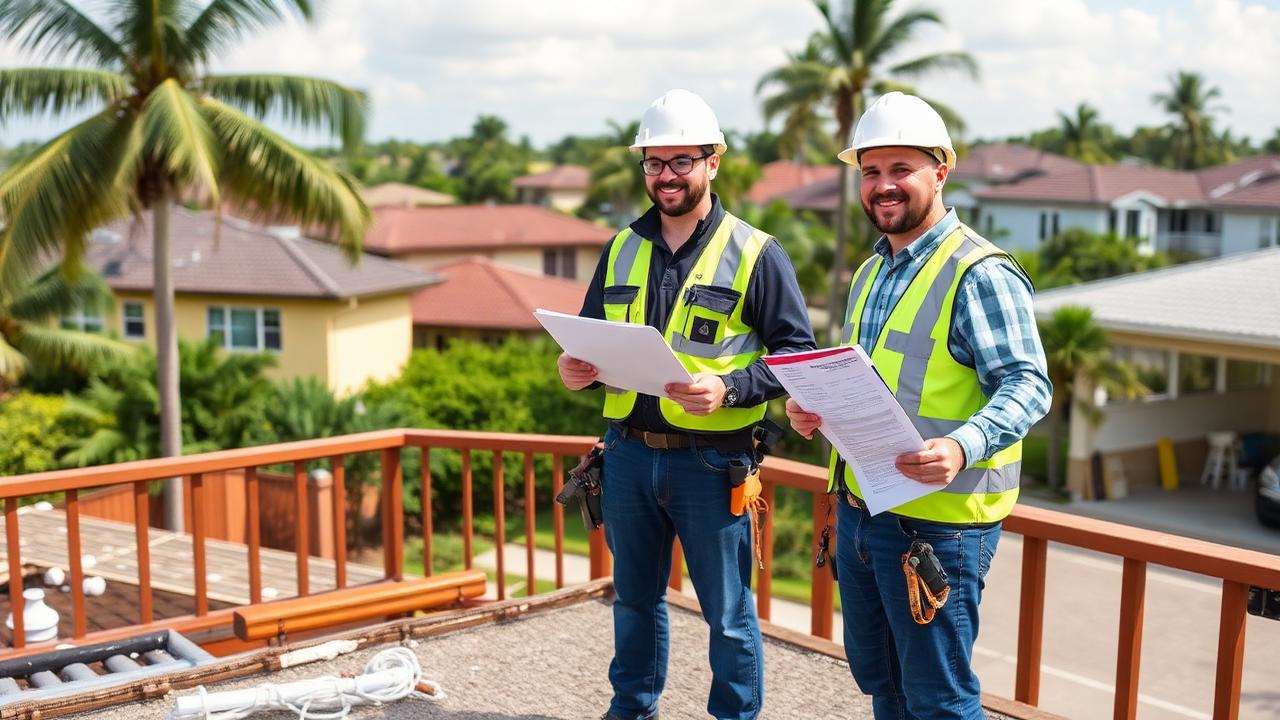
If you have not yet compared bids, start with how to read a roofing contractor's estimate, where the permit line item is one of the first things to check.
Yes, You Need a Permit — Even for Some Repairs
In Broward County and the City of Hollywood, a permit is required for reroofing, for structural repairs, and for repair work that exceeds a defined portion of the roof area. Small localized repairs may fall under a maintenance threshold, but that determination is made against the code, not against convenience. When there is any doubt, a licensed contractor pulls the permit.
The permit is not paperwork for its own sake. It is what forces the underlayment, fastening pattern, and product approvals to be verified by a third party — which is precisely why some low bidders would rather skip it.
Who Pulls It Matters More Than You Think
A licensed roofing contractor pulls the permit under their own license and takes on responsibility for the work. If a contractor asks you to pull the permit as the homeowner, treat that as a red flag. An owner-builder permit shifts liability for code compliance onto you, often signals that the crew is working under someone else's license or none at all, and can complicate your insurance claim later.
Before signing, confirm three things: the contractor's Florida DBPR license number, that the license is active, and that the permit will be pulled in the company's name that appears on your contract.
The Documents That Go With a Roof Permit in the HVHZ
Hollywood sits inside the High Velocity Hurricane Zone, which means the permit application carries more than a site address:
- Florida Product Approvals or Miami-Dade Notices of Acceptance (NOAs) for every component in the assembly — underlayment, fasteners, covering, metals.
- Uniform roofing permit application forms specific to the system being installed (tile, shingle, metal, or low-slope).
- Fastening and attachment schedules matching the approved installation instructions for the design wind pressures at your address.
- Notice of Commencement recorded when the job value crosses the statutory threshold.
Assembling this correctly is where local experience shows. A contractor who works Emerald Hills, Hollywood Lakes, Driftwood, and Beverly Park every week already knows which submittals the plans examiner will ask for and submits a package that clears the first time instead of the third.
The Inspection Sequence, Step by Step
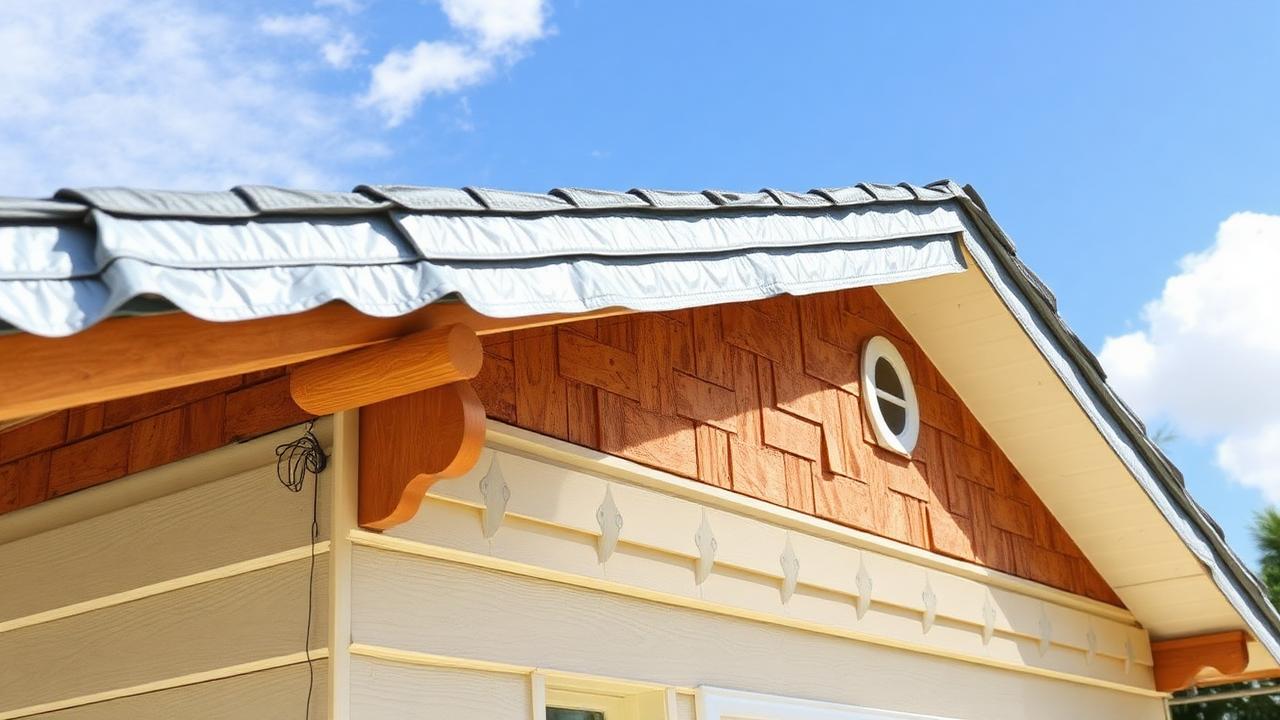
Roofing inspections are staged, and each one stops the job until it passes. The typical residential sequence looks like this:
| Phase | What the inspector verifies | What stops the job |
|---|---|---|
| Sheathing / renail | Deck condition, nailing pattern to trusses, replaced plywood | Missed nailing schedule, rotted deck left in place |
| Dry-in / tin cap | Secondary water barrier, cap fastener spacing, approved product | Wrong underlayment, unapproved fasteners, poor laps |
| In-progress (tile/metal) | Attachment method, mortar or foam set, panel fastening | Deviation from the approved NOA instructions |
| Final | Complete system, flashings, ventilation, cleanup | Missing metals, unfinished penetrations, no ventilation |
The dry-in inspection is the one homeowners notice, because the roof sits under a fastened underlayment for a day or two waiting on the inspector. That pause is normal and required. A crew that covers the dry-in before it is inspected has just created a problem that only shows up when you sell the house.
Your contractor schedules each inspection, meets the inspector on site, and handles corrections. You should not have to call the county once.
How Long the Process Takes
Permit review times in Broward move with the season. A clean residential reroof application often issues in a few business days when the submittal package is complete; it stretches considerably after a named storm, when the county is processing thousands of applications at once. Building the permit window into the schedule is part of a professional roof replacement plan, not an excuse offered after the fact.
Practical takeaway: if you know your roof is near end of life, apply in the spring. Waiting until September puts you in line behind everyone whose roof just failed.
What an Unpermitted Roof Costs You Later
The bill for skipping a permit almost never arrives during construction. It arrives here:
- At resale. Title and municipal lien searches surface open or missing permits. Buyers' lenders ask questions, closings get delayed, and you end up paying to permit and expose work that was finished years ago.
- At renewal. Insurance carriers increasingly request the final inspection record or a wind mitigation form. Neither exists without a permit.
- At claim time. A carrier can dispute a claim on a roof that was never inspected to code.
- At the county. Unpermitted work can draw fines and an after-the-fact permit that requires opening finished areas for verification.
None of these are hypothetical. They are routine in Broward County, and they are entirely avoidable.
What Your Contractor Should Hand You at the End
When the final inspection passes, ask for the closeout package: the permit number and final inspection record, the product approval sheets for the installed system, the manufacturer warranty registration, the workmanship warranty, and a completed wind mitigation inspection if applicable. That package is what makes the roof worth something to an insurer and a buyer.
We cover exactly what belongs in that folder — and which warranty language actually protects you — in the next article on roofing contractor warranties in Hollywood, FL.
Frequently Asked Questions
Can I pull the permit myself to save money?
You can, and you shouldn't. Owner-builder permits move responsibility for code compliance to you and often indicate that the contractor cannot pull one. The savings are small; the exposure is not.
Does a small leak repair need a permit?
It depends on the repair area and the work involved. Localized maintenance may not, but anything approaching a meaningful portion of the roof, or any structural work, does. A licensed contractor will make that call against the code during the roof inspection.
Why is my roof sitting under underlayment for two days?
That is the dry-in inspection hold. The county has to see the secondary water barrier before it is covered. The underlayment is a waterproof layer, so the home is protected while you wait.
What if my roof was replaced before I bought the house and there is no permit?
Order a permit history search for the address. If the permit is open or absent, talk to a licensed contractor about closing it out before you list the property, not during escrow.
Work With a Contractor Who Knows the Local Process
PSR Roofing Company of Hollywood pulls every permit in our own name, submits the product approvals with the application, and meets each inspector on site — from sheathing through final. Start with a documented roof inspection, or reach our team through the contact page.
Find our office: PSR Roofing Company of Hollywood on Google Maps — 3440 Hollywood Blvd, Suite 415, Hollywood, FL 33021. Call (754) 291-4149.
Series navigation: Reading Your Estimate · Permits and Inspections · Warranties Explained