
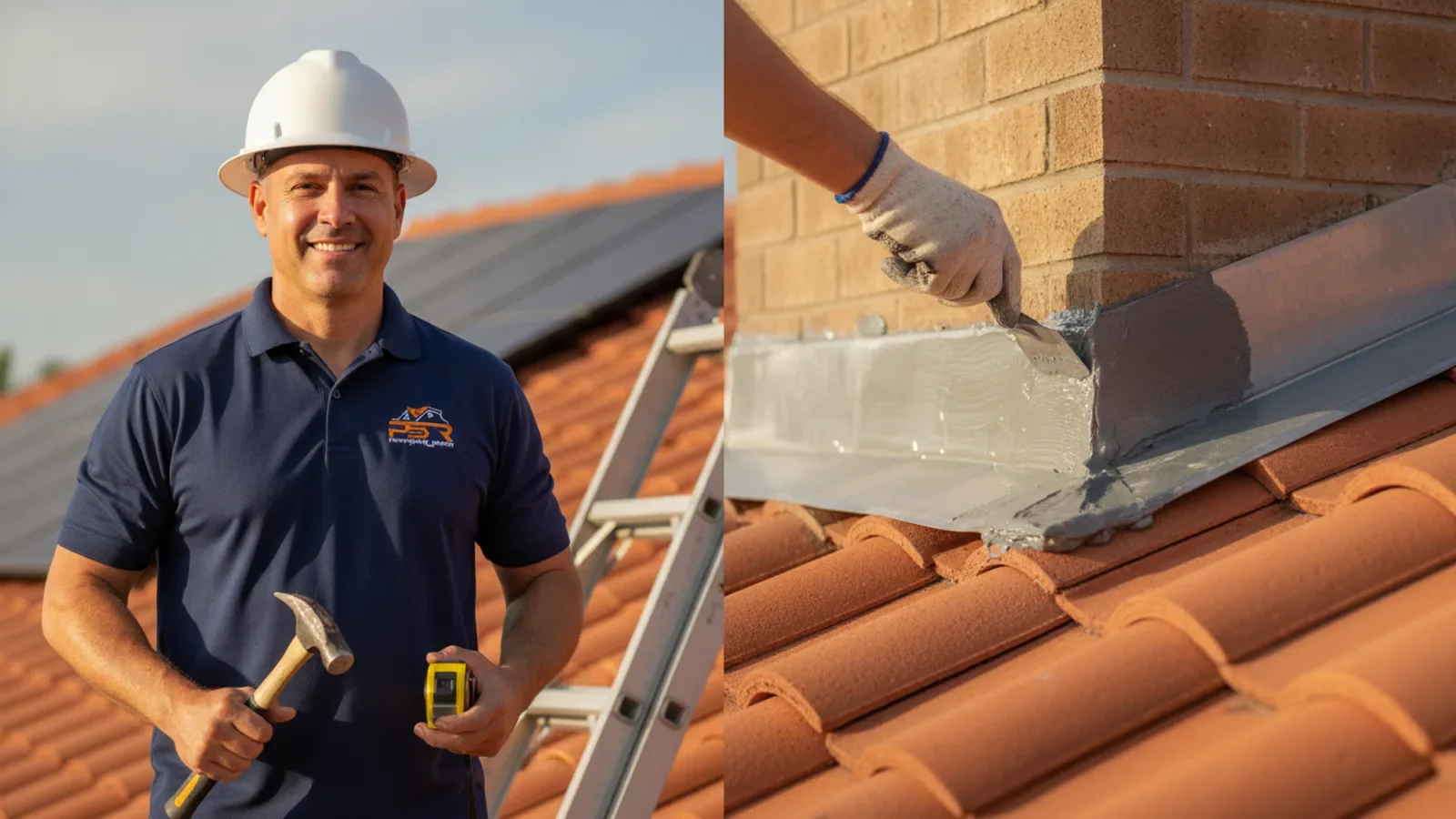
Evaluating Roof Leaks Around Hollywood, Florida Chimneys and Skylights
A sudden downpour in South Florida can quickly expose hidden vulnerabilities in your home. While a flat expanse of shingles or tile holds up well against daily sunshine, the areas where different architectural elements meet are far more vulnerable. Chimneys and skylights create physical breaks in your roofline, requiring specialized seals, metal barriers, and precise installation to keep water out. When these structures begin to leak, identifying the source early is the key to preventing extensive structural rot and ceiling damage. Professional roof repair hollywood fl services can pinpoint these failures before a minor drip becomes an expensive emergency.
PSR Roofing Company of Hollywood understands the unique architectural and weather challenges facing local homeowners. From the salt-laden air off Hollywood Beach to the intense summer humidity, every element of your roofing system is under constant environmental pressure. Let us explore how to evaluate leaks around these critical architectural features and what steps are necessary to restore your home's protection.
The Unexpected Culprits: Why Skylights and Chimneys Leak First
Many homeowners assume a ceiling stain directly below a chimney or skylight indicates a failure in the roofing material itself, such as a cracked tile or a torn shingle. In reality, these penetrations are inherently prone to water intrusion because they interrupt the natural downward flow of water. When heavy rain hits your roof, it must navigate around these obstacles, creating areas of high-volume runoff and temporary pooling.
The Mechanics of Roof Penetrations
Every time a builder cuts a hole in your roof deck for a chimney or a skylight, they create a seam. To make this seam waterproof, installers rely on layered defenses. This includes underlayment, specialized metal flashing, and industrial-grade sealants. Because these materials expand and contract at different rates than your wood roof deck or concrete chimney structure, physical stress accumulates at the joints, eventually leading to tiny gaps where water can enter.
The South Florida Climate Factor in Hollywood, Florida
In Hollywood, Florida, our climate accelerates the deterioration of these sealing systems. The intense ultraviolet (UV) rays from the sun bake caulking and synthetic sealants, causing them to shrink, crack, and lose their flexibility. Additionally, the thermal expansion caused by afternoon temperatures reaching the nineties, followed by sudden cooling during a heavy thunderstorm, places immense mechanical stress on metal flashing and transitions. Over time, these rapid temperature shifts break down even high-quality adhesives.
The Role of Wind-Driven Rain
Standard roof designs are built to shed water shedding straight down. However, tropical storms and summer afternoon squalls in Broward County bring high, swirling winds that force water sideways and even upward under loose flashing. If the flashing around your chimney or skylight was not installed to withstand wind-driven rain, water will find its way underneath the barrier, trickling down into your attic space or interior drywall.
Diagnosing Chimney Leaks: Beyond the Flashing
A leaking chimney is rarely a simple issue because a chimney is made of several distinct components, any of which can fail. To address the problem permanently, a professional roofing contractor hollywood florida must determine whether the water is entering through the masonry, the concrete cap, or the metal flashing system that seals the junction between the chimney and the roof surface.
Understanding Chimney Flashing Systems
Chimney flashing is not a single piece of metal; it is a two-part system designed to allow the roof and the chimney to move independently without breaking the water seal. Step flashing runs along the sides of the chimney, stepped up with each row of shingles or tile, while counterflashing is embedded directly into the mortar joints of the chimney brick and bends down to cover the top of the step flashing. If either of these pieces rusts through, pulls away from the brick, or loses its mortar seal, water will seep behind the barrier and enter your home.
Cracked Mortar Joints and Porous Bricks
Masonry is naturally porous. Bricks and mortar act like sponges, absorbing water during prolonged rainstorms. In South Florida, where humidity levels remain high, wet masonry struggles to dry out completely. Over time, water absorbed by the brickwork can bypass the flashing entirely, soaking through the chimney structure and showing up as damp spots on your interior walls or fireplace ceiling. If you notice crumbling mortar or damp bricks inside your fireplace, a specialized chimney flashing repair or masonry sealing is required.
The Chimney Chase Cover and Crown
At the very top of your chimney sits the crown (a concrete slab on brick chimneys) or a chase cover (usually a metal pan on wood-framed chimneys). If the concrete crown cracks due to age, or if a metal chase cover pools water and rusts through, water will pour straight down the interior of the chimney structure. This type of leak often mimics a roof leak, as the water can travel down the outside of the flue pipe and rot the wooden framing adjacent to your roof deck.
Skylight Failures: Glass, Acrylic, and Dried Seals
Skylights are a beautiful addition to any Hollywood, FL home, letting in the abundant Florida sunshine. However, they are also notorious for developing leaks as they age. A leaking skylight can quickly ruin drywall, warp wooden roof supports, and foster mold growth in your ceiling cavity if left unaddressed.
Condensation vs. Active Water Leaks
Before assuming you need a major leaking skylight repair, it is important to distinguish between an active water leak and simple condensation. Because skylights are located at the highest point of a room, warm, humid air rises and settles against the cool glass. In bathrooms or kitchens, this humid air can condense into water droplets that drip down the frame, mimicking a roof leak. If the moisture only appears on cold, humid mornings and does not correlate with actual rainfall, condensation is the likely culprit.
Degraded Glazing and Glass Seals
The glass or acrylic lens of a skylight is held in place within its frame by rubber gaskets or factory sealants. Decades of exposure to the intense Hollywood sun degrade these materials, turning flexible rubber into a brittle, cracked substance. Once the glazing seal fails, rainwater will seep between the glass pane and the outer frame, trickling down into the light well drywall. In these cases, the flashing around the skylight may be perfectly intact, but the skylight unit itself has reached the end of its functional lifespan.
Flashing Failures on Pitched vs. Flat Roofs
Skylights require a curb (a raised wooden box) to lift them above the roof surface, allowing water to flow around them. The flashing kit must wrap securely over this curb and tuck under the surrounding roof tiles or shingles. On lower-pitched roofs common in South Florida, water moves slowly, meaning any debris like leaves or pine needles can pile up behind the skylight curb. This debris acts as a dam, forcing water to back up under the flashing and find its way into your home.
Step-by-Step Guide to Evaluating a Roof Leak
If you suspect water is invading your home around a skylight or chimney, taking a structured approach to evaluation can help you communicate clearly with your roof repair company and prevent further interior damage. Here is a step-by-step methodology to locate and document the issue safely.
Document the Interior Damage: Take clear photographs of any water stains, bubbling paint, or active drips. Note the exact time, the severity of the rainfall, and the direction of the wind when the leak actively drips. This context is invaluable for technicians.
Inspect the Attic Space: If you have safe attic access, locate the area directly beneath the suspected leak. Look for water stains on the underside of the wooden roof deck, damp insulation, or dark water tracks running down the sides of the chimney masonry or skylight framing.
Check the Exterior Perimeter (From the Ground): Use binoculars to safely inspect your roof from ground level. Look for visible signs of damage, such as missing shingles around the skylight, rusted chimney flashing, or loose mortar joints. Never climb onto a wet, slippery roof, especially after a heavy storm.
Examine the Flashing Seals: During a professional inspection, a technician will check the integrity of the caulking where the metal counterflashing meets the chimney brick, ensuring it has not peeled away or cracked.
Verify Free-Flowing Drainage: Ensure that the valleys and paths surrounding your chimney or skylight are clear of leaves, twigs, and dirt. Debris blockages are a leading cause of water pooling and subsequent flashing failure.
Comparing Chimney and Skylight Leaks: Causes and Solutions
The table below provides a quick reference to help homeowners understand the primary differences between chimney and skylight leak vulnerabilities, common indicators, and typical professional solutions.
| Feature | Primary Vulnerability Points | Common Warning Signs | Typical Professional Solution |
|---|---|---|---|
| Chimney | Step & counterflashing, mortar joints, concrete crown, chimney cap. | Stains on fireplace ceiling, damp hearth interior, crumbling mortar, rusted metal pans. | Grinding out mortar and tuckpointing, replacing metal flashing, resealing the chimney crown. |
| Skylight | Glass perimeter gaskets, curb flashing kits, aged sealant, debris dams. | Water dripping down the light well walls, foggy double-pane glass, rotting drywall corners. | Replacing aged glazing gaskets, clearing debris, installing a new curb flashing kit, or full unit replacement. |
Why Quick Intervention Matters in South Florida
Ignoring a slow leak around a chimney or skylight is a recipe for severe structural issues. In our warm, humid South Florida climate, moisture trapped in dark attic spaces creates the perfect environment for wood rot and organic growth, which can compromise your home's structural integrity and indoor air quality.
Preventing Wood Rot and Structural Damage
Your roof is supported by wooden trusses and plywood decking. When water bypasses flashing or seals, it continuously soaks these wooden components. Over time, wood rot sets in, weakening the structural supports of your roof. Replacing rotted decking and trusses is far more complex and costly than performing a timely flashing repair.
Protecting Interior Drywall and Insulation
Water does not just stay in the attic. It travels along joists and pipes, eventually dripping onto your ceiling drywall. By the time you notice a brown water spot on your ceiling, the insulation above it is likely saturated, losing its thermal resistance and forcing your air conditioning system to work harder. Promptly addressing these issues helps protect your home's energy efficiency and interior finishes.
Maintaining Home Value and Curb Appeal
A home with visible ceiling stains or damaged chimney masonry quickly loses value and appeal. By maintaining your roof penetrations and addressing leaks immediately, you preserve the structural soundness and aesthetic beauty of your property, ensuring it remains resilient against the elements year after year.
If you suspect your roof has suffered water intrusion, it is critical to consult a professional roofing contractor to assess the damage. For more information on identifying and addressing broader roofing issues, you can read our comprehensive repair vs replacement guide">repair vs replacement guide to understand the best path forward for your home.
Frequently Asked Questions About Roof Leaks
Can I use roofing cement to patch a leaking chimney flashing myself?
While applying roofing cement or silicone caulk might temporarily stop a leak for a few weeks, it is not a permanent solution. The extreme heat and humidity in Hollywood, FL will cause these topical patches to shrink, crack, and fail quickly. A lasting repair requires removing the damaged flashing, replacing any rotted underlayment, and installing new metal flashing correctly.
How long do skylights typically last in South Florida?
Under the intense South Florida sun, standard residential skylights generally last between ten and fifteen years. The rubber seals, acrylic domes, and flashing components degrade much faster here than in milder climates. If your skylight is approaching this age and begins to leak, replacing the entire unit during your next roof repair is often the most cost-effective choice.
Does homeowner's insurance cover repairs for leaking skylights or chimneys?
Whether insurance covers the repair depends on the root cause of the leak. If the damage was caused by a sudden, covered peril, such as a severe storm or fallen tree branch, your policy may cover the repair costs. However, leaks resulting from long-term wear and tear, lack of maintenance, or aged sealants are typically not covered.
What are the signs that my chimney masonry is absorbing water?
Common signs include a musty odor inside your fireplace, white powdery deposits (efflorescence) on the exterior bricks, crumbling mortar joints, or dampness on the interior walls adjacent to the chimney stack. If you notice these symptoms, the chimney may require professional masonry waterproofing or flashing restoration.
Protect Your Home From Costly Water Damage
Don't let a small leak around your chimney or skylight escalate into a major structural headache. Contact PSR Roofing Company of Hollywood today to schedule your roof inspection and protect your home from South Florida's unpredictable weather.