
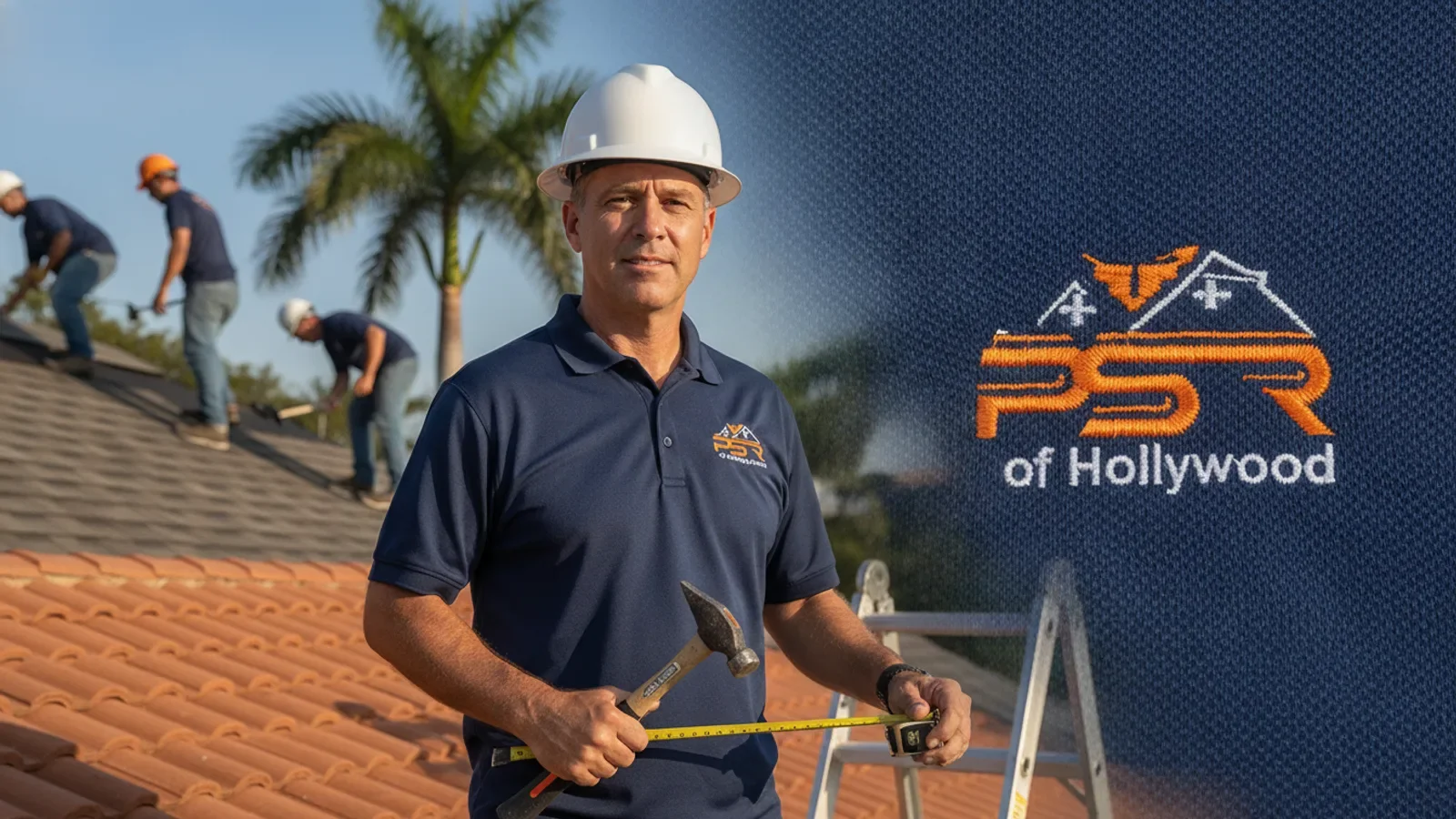
Professional Roof Installation in Hollywood, FL
Walking out to your driveway after a heavy summer thunderstorm, you might notice a sudden scattering of dark granules pooling at the bottom of your downspouts, or perhaps a damp patch slowly spreading across your living room ceiling. For homeowners in Hollywood, Florida, these quiet warning signs often signal that it is time to think about a new roof. Protecting your home from tropical weather requires a sturdy barrier, and understanding the process of a professional roof installation is the first step toward securing your property for the long term.
A new roof is one of the most significant investments you will make in your home. Working with an experienced local roofing contractor ensures that your project is completed safely, efficiently, and in full compliance with strict regional building regulations. From selecting the right materials to understanding the step-by-step installation process, this comprehensive guide covers everything you need to know about planning a successful installation in South Florida.
The Importance of Professional Roof Installation in South Florida
Your roof is the first line of defense against the intense weather conditions common in the coastal areas of Broward County. Attempting a major roofing project on your own or relying on unlicensed labor can lead to structural vulnerabilities, voided manufacturer warranties, and costly water damage. Professional installation ensures that every layer of your roofing system is engineered to perform under pressure.
Local roofing systems must be designed as complete, cohesive units. This includes proper ventilation to prevent heat buildup in your attic, high-performance underlayment to stop moisture intrusion, and robust fastening patterns to resist wind uplift. When you hire a specialized team, you benefit from trained technicians who know how to address the unique structural demands of coastal properties.
Understanding the Step-by-Step Installation Process
A successful roofing project relies on a systematic, organized approach. Knowing what to expect during each phase of the process can help you prepare your household and ensure a smooth experience from start to finish.
1. Comprehensive Pre-Installation Inspection
Before any physical work begins, a thorough assessment of your existing roof deck is essential. Technicians inspect the structure for soft spots, sagging, or hidden wood rot. If you are unsure whether your home requires a complete overhaul or a targeted fix, reviewing the signs you need a new roof can help clarify the current condition of your system.
If you want it handled correctly the first time, consider professional roof installation.
2. Safe Demolition and Site Prep
The old roofing materials must be carefully stripped down to the bare wooden deck. Professional crews use specialized protective gear and debris catchers to safeguard your landscaping, windows, and outdoor furniture during this phase. All old shingles, tiles, and underlayment are hauled away responsibly.
3. Deck Inspection and Repair
Once the bare wood is exposed, the deck is inspected for structural integrity. Any damaged or rotting plywood sheet is replaced to establish a flat, solid foundation for the new materials. This step is critical because a roof is only as strong as the wood beneath it.
4. Installing Underlayment and Flashing
A high-quality, water-resistant underlayment is applied directly over the wood deck. This serves as a secondary moisture barrier. Metal flashing is then installed along roof valleys, chimneys, vents, and drip edges to redirect water away from high-risk seams and joints.
5. Material Application
The chosen primary material, whether asphalt shingles, clay tiles, or metal panels, is installed according to precise manufacturer specifications and local wind-load requirements. This stage demands skilled craftsmanship to ensure straight lines and secure fastening.
6. Final Cleanup and Quality Check
A meticulous cleanup of the property is conducted, using magnetic sweeps to collect stray nails from your yard and driveway. A final quality inspection confirms that all components are properly installed, sealed, and ready to withstand the elements.
Hollywood, FL Climate and Local Building Code Requirements
Operating in South Florida means designing roofs that comply with the High-Velocity Hurricane Zone (HVHZ) standards of the Florida Building Code. Hollywood sits in a region that experiences extreme wind speeds, intense UV exposure, and heavy, seasonal rainfall. Every roof installation in this area must be engineered to resist wind speeds that can exceed 170 miles per hour.
This strict regulatory environment dictates the specific types of underlayment, nail patterns, and adhesive seals that must be used. For example, self-adhering modified bitumen underlayments (often called secondary water barriers) are frequently applied directly to the roof deck to provide continuous protection even if the outer shingles or tiles are damaged during a storm. Additionally, permit applications in Broward County require detailed engineering documentation to prove that the selected materials and fastening methods meet these rigorous coastal safety standards.
Many local homeowners rely on expert roof installation for exactly this.
Comparing Common Roofing Materials for Coastal Homes
Choosing the right material involves balancing aesthetic preferences, durability, and performance under local weather conditions. Selecting the appropriate option can significantly impact the lifespan and energy efficiency of your home. For a detailed breakdown of how local weather affects your choices, you can read about choosing roofing materials for high humidity before making your final decision.
Below is a comparative overview of the most popular materials used in our coastal region:
| Material Type | Average Lifespan | Wind Resistance | Key Benefit |
|---|---|---|---|
| Asphalt Shingles (Architectural) | 15 to 25 Years | Good (Up to 110-130 mph) | Cost-effective and versatile appearance |
| Clay or Concrete Tiles | 50+ Years | Excellent (High wind rated) | Traditional style, exceptional durability |
| Metal (Standing Seam) | 40 to 70 Years | Outstanding (Superior uplift resistance) | Highly reflective, low maintenance, rust-resistant coatings available |
Key Factors That Influence Your Project Timeline
While a standard residential roof installation can often be completed in a few days, several factors can influence the overall schedule of your project:
Weather Disruptions: Daily afternoon rain showers during the summer months can create temporary delays, as crews must pause to ensure the roof deck remains dry during the tear-off phase.
Material Availability: Specialty tiles or custom metal panels may require longer lead times for manufacturing and delivery compared to standard architectural shingles.
Structural Repairs: Discovering extensive wood rot or sagging trusses once the old roof is removed can add time to the schedule, as these structural issues must be repaired before new materials are applied.
Permitting and Inspections: Delays in city permit processing or scheduling mandatory municipal inspections can extend the overall timeline of the project.
Ready for the next step? Learn how roof installation services can help and reach out to the team.
Frequently Asked Questions
Do I need to replace my gutters when I get a new roof?
While it is not strictly mandatory, replacing your gutters during a roof installation is highly recommended if your existing system is sagging, rusted, or pulling away from the fascia. Installing both systems at the same time ensures seamless integration, preventing water from backing up under your new shingles.
Can a new roof lower my home insurance premiums?
Yes, in Florida, installing a new roof that meets the current building codes can often qualify you for wind mitigation discounts on your homeowner's insurance policy. Many insurers offer reduced rates for roofs with modern hurricane clips, secondary water barriers, and high wind-rated shingles.
What is a secondary water barrier, and is it required?
A secondary water barrier is an underlayment applied directly over the plywood deck seams. It is highly recommended under current building practices because it protects your home's interior from water intrusion if your primary roof covering, such as shingles or tiles, is blown off during a high-wind event.
How do I know if I need a full replacement or just a repair?
If your roof is relatively new and only has localized damage, such as a few missing shingles or a minor leak around flashing, a repair may be sufficient. However, if the roof is approaching the end of its typical lifespan, showing widespread leaks, or has extensive storm damage, a complete replacement is usually the most cost-effective long-term solution.
Contact a Local Expert in Hollywood
Investing in a high-quality roof installation is the best way to safeguard your property and enjoy peace of mind through every season. By choosing the right materials and working with a dedicated local professional, you ensure your home is built to withstand South Florida's unique coastal climate. If you are ready to explore your options or have questions about your upcoming project, reach out to a trusted team to schedule an on-site consultation today.
Explore this guide