
Signs You Need a New Roof on Your Hollywood Home
Most asphalt shingle roofs lose up to thirty percent of their protective granule surfacing within the first decade of exposure to intense coastal weather. In Hollywood, Florida, this natural degradation accelerates due to relentless UV radiation, tropical storms, and salt-laden humidity. Homeowners often overlook early warning signs, assuming a roof is secure until water actively drips through the ceiling. Recognizing the subtle indicators of deterioration can prevent widespread structural damage to your property. If your roof is approaching the end of its functional lifespan, scheduling a timely professional roof installation can safeguard your home from the next major Atlantic weather event.
Exterior Shingle and Tile Indicators
The outer layer of your roof acts as the primary barrier against the elements. Direct exposure to Florida sun and seasonal storms leaves clear physical markers when materials begin to fail.
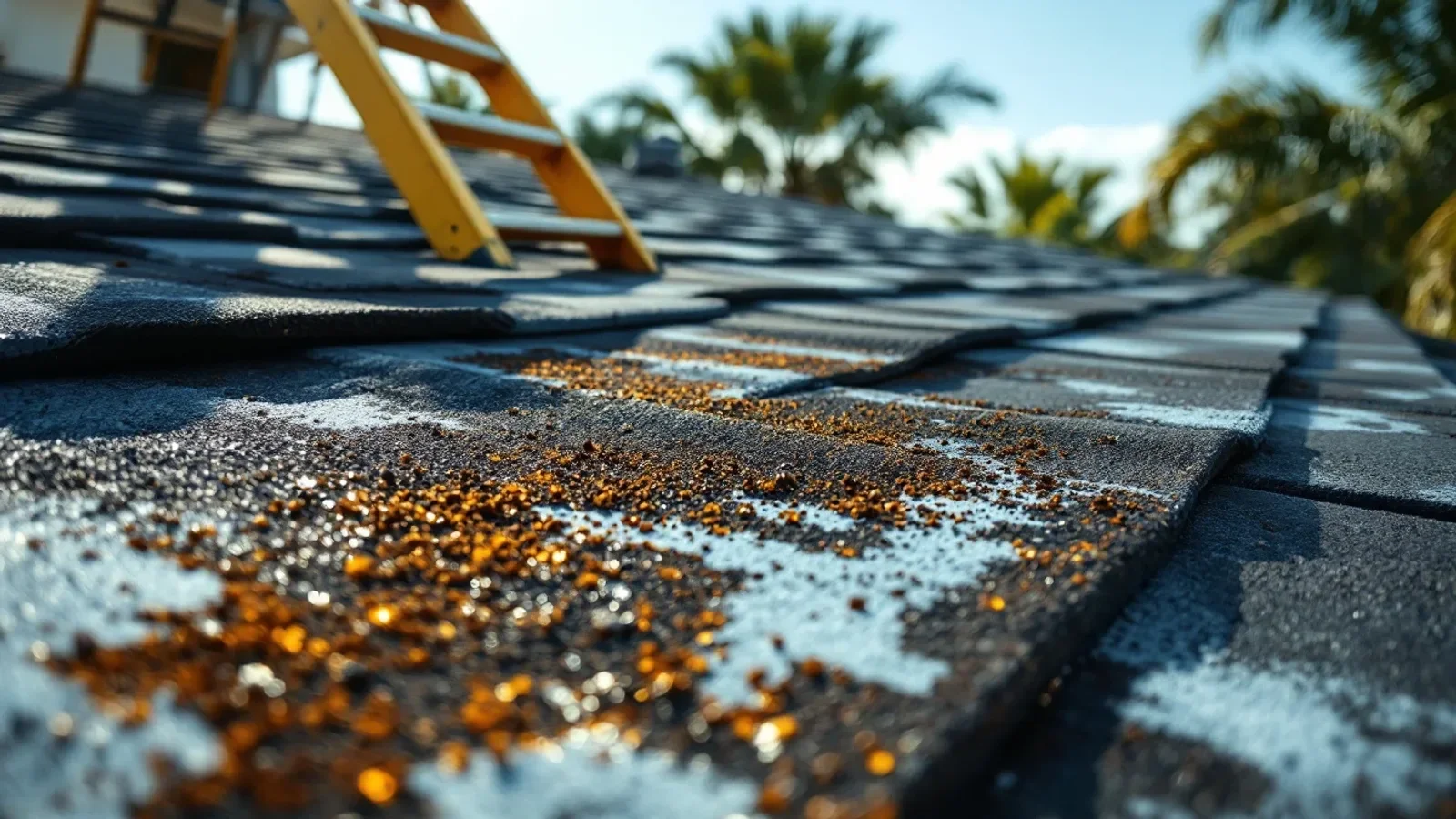
Check for bald spots and granule loss: Examine your gutters and downspouts for accumulation of dark, sand-like granules. When shingles shed this protective coating, the underlying asphalt is exposed to rapid UV degradation.
Identify curling, buckling, or clawing shingles: Look for shingle edges that turn upward or centers that bow outward. This distortion indicates the physical backing of the shingle is shrinking and can no longer lay flat.
Scan for missing or broken roof tiles: Inspect clay or concrete tile roofs for cracked, dislodged, or entirely absent pieces. Gaps in tile coverage allow wind-driven rain to reach the sensitive underlayment directly.
Observe cracked or damaged valley materials: Focus on the roof valleys where two slopes meet. Water channels heavily through these areas, and damaged shingles or rusted metal valleys are prime candidates for sudden leaks.
Structural and Interior Warning Signs
When moisture breaches the outer roof surface, it begins to impact the interior structure of your home. These signs are often visible from your attic or upper-floor ceilings.
If you want it handled correctly the first time, consider professional roof installation.
Inspect the attic for light penetration: Visit your attic during daylight hours with the flashlight turned off. Visible shafts of sunlight peeking through the roof deck indicate physical holes that water will inevitably exploit.
Locate dark spots, streaks, or water stains: Look closely at the underside of your roof decking, rafters, and ceiling drywall. Persistent moisture creates dark rings or running streaks that signal active water intrusion.
Check for sagging roof deck sections: Examine the ridgelines and flat planes of your roof from both the exterior and interior. Sagging indicates rotting wood support structures that require immediate attention.
Monitor paint peeling or blistering: Note any bubbling paint or moisture damage near the junction where your walls meet the ceiling. Trapped water often travels down interior wall framing before showing visible signs.
Flashing, Seals, and Penetration Hazards
Roofs rarely leak in the center of an open slope. Water intrusion almost always begins at the joints, edges, and penetrations where different materials meet.
Examine the chimney and vent flashing: Verify that the metal flashing around chimneys, plumbing boots, and attic vents is securely sealed. Rusted, lifting, or caulked-over flashing is a common source of local leaks.
Inspect wall junctions and dormers: Check the vertical areas where your roof slope meets an exterior wall. If the step flashing has pulled away, water can bypass your shingles entirely.
Evaluate the condition of valley seals: Ensure that the waterproof membrane beneath your valleys is intact and free of debris that could trap pooling water.
Assess plumbing boot integrity: Look at the rubber collar seals around plumbing vents. Sunlight dries out and cracks this rubber over time, creating a direct path for rainwater to run down the pipe into your walls.
Many local homeowners rely on expert roof installation for exactly this.
Hollywood-Specific Climate and Housing Considerations
The coastal environment of Broward County presents unique challenges that alter how roofing systems age. Properties in Hollywood require specific attention to localized environmental stressors.
Analyze salt-air exposure on metallic components: Homes located near Hollywood Beach experience rapid oxidation of metal fasteners, flashing, and valleys. Salt spray accelerates rust, compromising the mechanical hold of your roofing system.
Evaluate wind-uplift vulnerability from tropical systems: Analyze older roofs built under outdated wind codes. Hollywood roofs must withstand intense gusts, and aged adhesive strips on shingles can fail, leaving them vulnerable to lifting during localized storms.
Monitor high-humidity organic growth: Check north-facing roof slopes and shaded areas for persistent algae, moss, or lichen. While algae staining is primarily cosmetic, thick moss retains moisture against the roof surface, accelerating the rot of shingles and underlayment.
Identify thermal shock damage: Consider the daily temperature swings your roof endures. The rapid shift from intense afternoon sun to cooling rain showers causes materials to expand and contract quickly, breaking down older sealants and tile adhesives.
Frequently Asked Questions
How long does a typical roof last in South Florida?
The lifespan of a roof in this region varies significantly by material. Standard architectural shingles generally last fifteen to twenty years, while high-quality concrete tile and metal roofs can endure for thirty years or more when properly maintained.
Ready for the next step? Learn how roof installation services can help and reach out to the team.
Can I install a new roof over my existing shingles?
While some building codes allow for a second layer of shingles, it is highly discouraged in South Florida. Removing the old material allows for a thorough inspection of the wood deck, ensures proper waterproofing, and complies with strict regional wind uplift regulations.
Should I repair or replace my roof if it has a small leak?
If the surrounding roofing materials are in good condition and the roof is relatively new, a targeted repair is often sufficient. However, if the roof is approaching the end of its expected lifespan or has multiple leaks, a full replacement is usually the most cost-effective long-term solution.
The Takeaway for Hollywood Homeowners
Catching roof damage early prevents minor structural issues from developing into costly water damage inside your home. If you notice curling shingles, interior water spots, or significant granule loss, it is time to consult with an experienced contractor. When planning your next steps, you can also explore our guide on choosing roofing materials for Hollywood humidity to find the longest-lasting options for our local climate.
Continue reading