
Roof Care
Tile Roof Repair Hollywood FL: Homeowner Guide
Cracked tiles, wind uplift, worn underlayment? Learn how tile roof repair works in Hollywood, FL and when to call a pro. Book an inspection today.
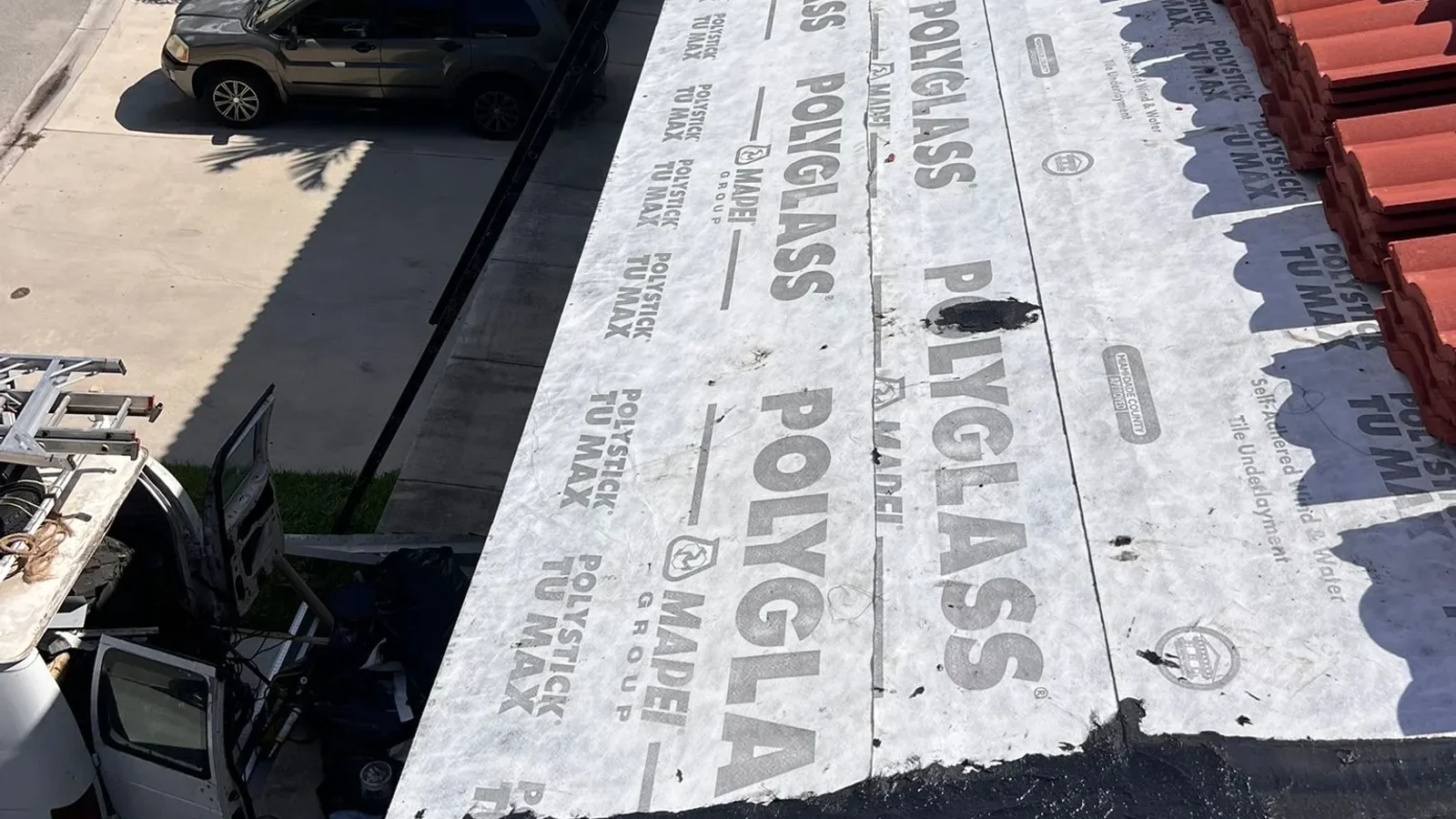
Tile roofs look tough, and mostly they are. But in Hollywood, FL, salt air, summer storms and relentless sun find the weak spots. A cracked tile here, a slipped ridge cap there, and water starts working toward the deck. This guide covers what tile roof repair in Hollywood, FL actually involves, which problems matter most, and how routine maintenance keeps small issues small.
The tile isn't what keeps your house dry
Here's the part most homeowners don't expect. On a typical tile roof, the tiles shed most of the water, but the underlayment beneath them is the real waterproofing layer. Tiles protect that membrane from sun and impact. When a tile breaks, the underlayment is suddenly exposed to UV and direct rain.
That's why a single cracked tile deserves attention. It's rarely the tile that fails you. It's what happens underneath over the following months.
How a tile roof system is built
A tile roof is a layered system. From the bottom up, you'll usually find:
- Roof deck: the plywood or wood sheathing attached to the rafters or trusses.
- Underlayment: a waterproof membrane, often a self-adhered or felt-based product, that blocks water from reaching the deck.
- Battens or attachment layer: some roofs use wood or composite battens, others attach tiles directly with fasteners, adhesive foam or mortar.
- Tiles: clay or concrete, in barrel, flat or S-profile shapes.
- Hip and ridge caps: the tiles covering roof peaks and edges, typically set in mortar or adhesive.
- Flashing: metal pieces at valleys, walls, chimneys, vents and skylights.
Every one of those layers can fail. Good repair work starts by figuring out which one did.
Clay vs. concrete: why it matters for repairs
Clay tiles hold color well and resist fading. Concrete tiles are heavier and more porous, and they can lose surface color over time. Both crack under foot traffic or impact. For repairs, the key issue is matching. A replacement tile needs the same profile, size and, ideally, color, or the patch will stand out and may not seat correctly. Older or discontinued profiles can take some searching to match.
Common tile roof problems we see around Hollywood
Picture a roof a few blocks from the beach after a rough storm season. From the street it looks fine. Up close, a handful of tiles are cracked, a ridge line has loose mortar, and the valley flashing shows rust. That's a common pattern in South Florida, and none of it shows from the driveway.
Cracked, broken and slipped tiles
Cracked roof tile repair is the most frequent request. Tiles crack from foot traffic (satellite installers, pressure washers, holiday-light hangers), falling branches, debris carried by wind and, occasionally, age. Slipped tiles happen when fasteners or adhesive let go, leaving gaps that let rain and wind reach the underlayment.
Hairline cracks still count. Water gets in.
Wind uplift and storm damage
Hollywood sits in the High-Velocity Hurricane Zone that covers Broward and Miami-Dade counties, so wind is a constant consideration. Strong gusts can lift tiles, break their bond with adhesive or mortar, and toss loose pieces into neighboring tiles. Ridge and hip caps along the edges and peaks take the brunt. After any significant storm, it's worth having the roof checked even if you see no leaks inside. Our emergency roofing team handles urgent storm damage when water is already getting in.
Underlayment wear, flashing failure and debris
Underlayment ages. Heat and time make it brittle, and once it cracks, leaks follow, often far from where the water first entered. Flashing around valleys, walls and penetrations can corrode in salty coastal air or pull loose. Debris is the quiet third problem. Leaves and seed pods collect in valleys and behind barrel tiles, holding moisture and blocking drainage. Algae and mildew growth on tile surfaces is common in our humidity too.
Signs your tile roof needs repair
Some warning signs are obvious. Others hide in the attic. Use this list as a starting point, not a diagnosis.
- Visible cracked, chipped or missing tiles from the ground or a window.
- Tiles that look out of line, uneven rows or gaps between tiles.
- Loose or crumbling mortar on ridges and hips.
- Tile pieces in the yard or gutters after wind or rain.
- Water stains on ceilings or walls, especially near exterior walls.
- Damp insulation, dark spots or daylight in the attic.
- Rusted or lifted flashing around vents, chimneys or skylights.
- Musty odors in upper rooms or the attic.
What you can safely check yourself
Stay on the ground. Use binoculars to scan the roof from different angles after storms. Look in the attic with a flashlight during or after rain. Check gutters (from a stable spot) for tile fragments. Note any ceiling stains with a date so you can track whether they grow.
What you shouldn't do
Don't walk on a tile roof. Tiles crack under uneven weight, and they're slippery, especially when damp or covered in algae. Walking on them to inspect a leak can easily create more damage than you started with, and falls from roofs are serious. Leave rooftop work to a licensed roofing professional.
How professional tile roof repair works
A solid repair isn't just swapping a broken tile. It's tracing the problem back to its source and fixing the layer that failed. At PSR Roofing Company of Hollywood, a repair visit generally follows a predictable sequence.
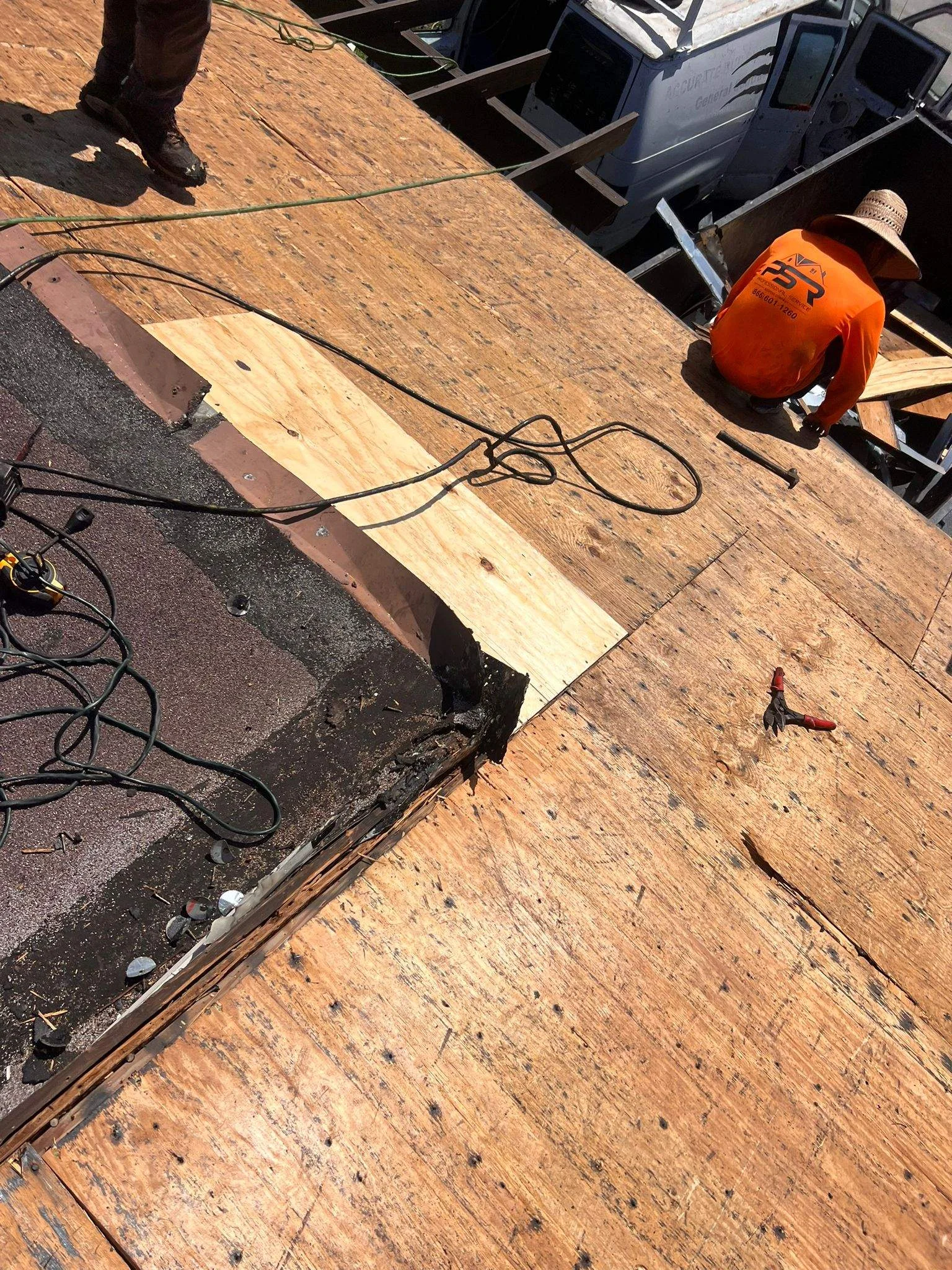
Step one: inspection and diagnosis
A roofer walks the roof using proper technique to avoid breaking tiles, checks the attic where accessible, and looks at flashing, valleys and ridge lines. Leaks often travel along the underlayment or deck before dripping, so the visible stain inside may sit well away from the actual entry point. Photos help you see what the crew sees.
Step two: the repair itself
Depending on what's found, repairs can include:
- Removing cracked or broken tiles and installing matched replacements.
- Re-securing slipped tiles with appropriate fasteners or adhesive.
- Resetting ridge and hip caps with fresh mortar or adhesive.
- Lifting surrounding tiles to patch or replace a section of damaged underlayment.
- Repairing or replacing corroded or loose flashing.
- Clearing debris from valleys and drainage paths.
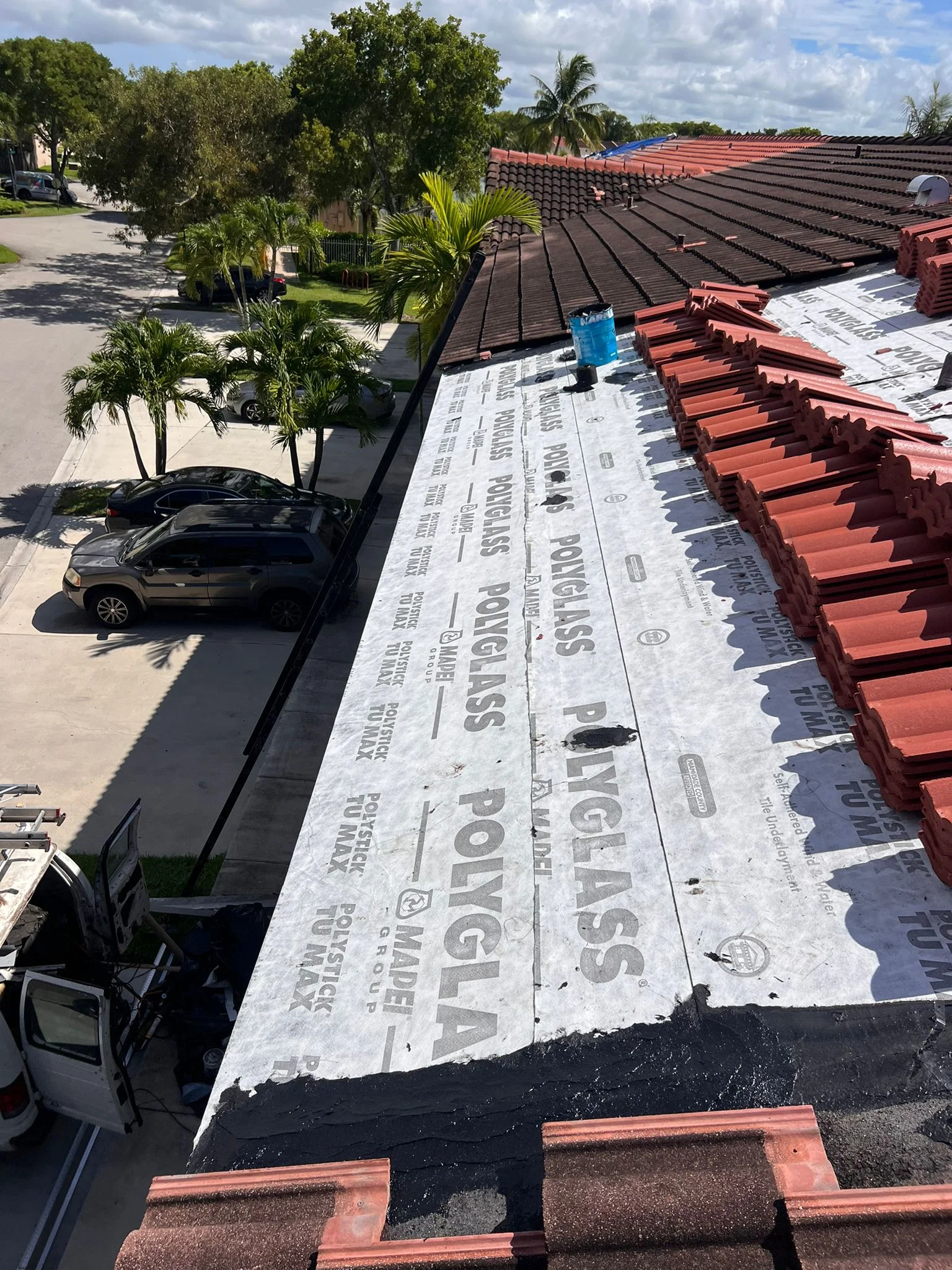
Most single-area repairs take a day or less. Larger underlayment sections take longer because tiles must be carefully removed, stacked and reinstalled.
Permits and code considerations
Roofing work in South Florida often involves permit and building code requirements, and the details depend on the scope of the job and local rules. Requirements vary by area, so check with your local building department or ask your licensed contractor what applies to your project. A reputable roofer should be able to explain what's needed before work begins.
Repair, partial re-roof or replacement?
Not every problem calls for the same fix. The table below compares the main options by what's actually happening on your roof.
| Situation | Usual approach | Why |
|---|---|---|
| A few cracked or slipped tiles, underlayment intact | Spot repair | Replacing matched tiles restores protection without disturbing the rest of the roof. |
| Loose ridge or hip caps | Reset caps | Fresh mortar or adhesive re-secures the most wind-exposed tiles. |
| Leak traced to a valley or penetration | Flashing and local underlayment repair | The failure is concentrated in one area and can be fixed there. |
| Underlayment failing across a large section | Partial re-roof (lift tiles, replace underlayment, reinstall) | Good tiles can often be reused while the worn membrane is replaced. |
| Widespread underlayment failure, many damaged tiles, recurring leaks | Full replacement | Patching keeps chasing new leaks once the whole system is worn out. |
What drives the cost of tile repairs
We won't quote numbers here, because every roof differs. The main cost drivers are the size and slope of the roof, how many tiles need replacing, how hard matching tiles are to find, whether underlayment work is involved, access difficulty, and any permit requirements. When comparing quotes, make sure each one describes the same scope: number of tiles, whether underlayment is included, and how ridge work is handled. A noticeably lower quote sometimes covers less work.
When replacement makes more sense
If you're calling for leaks every rainy season, or an inspection shows the underlayment is brittle across most of the roof, repairs become a cycle. That's the point to talk about full roof replacement options. A good contractor will lay out both paths honestly rather than pushing one.
Tile roof maintenance in Hollywood, FL: a simple routine
Maintenance is cheaper than repair. It's also less disruptive. A consistent routine catches problems while they're still a single tile or a small patch of flashing.
A seasonal checklist
- Before hurricane season (late spring): schedule a professional inspection, trim branches overhanging the roof, and clear gutters.
- After any major storm: scan from the ground with binoculars and check the attic for moisture.
- Late summer and fall: clear debris from valleys and gutters as rains continue.
- Year-round: watch ceilings for new stains and keep anyone who doesn't need to be up there off the roof.
How often to schedule a tile roof inspection
For most Hollywood homes, a professional inspection once a year plus checks after major storms is a sensible rhythm. Older roofs, or roofs that have already needed repairs, may benefit from more frequent looks. Our roof inspection service covers tiles, ridges, flashing and attic conditions, and it's a good way to get a clear baseline.
Cleaning and algae: go gently
Algae and mildew stains are common here. High-pressure washing can crack tiles, strip concrete tile surfaces and force water under the tiles. If cleaning is needed, it should be done carefully with appropriate low-pressure methods by someone who knows how to work on tile without walking on the fragile spots.
Choosing a tile roofing contractor in Hollywood, Florida
Tile is its own skill. Knowing how to walk it, lift it and reset it without breaking more tiles comes from experience.
Questions worth asking
- Are you licensed and insured for roofing work in Florida?
- Do you work on tile roofs regularly, and on my tile type (clay or concrete)?
- How will you source matching replacement tiles?
- Will you check the underlayment and flashing, not just the tiles?
- Will you handle any permits the job requires?
- Can you provide photos of the problem areas?
What we do at PSR Roofing Company of Hollywood
We're a local Hollywood roofing contractor offering roof repair, inspection, replacement, installation, emergency roofing and gutter installation. On tile roofs, we focus on finding the actual source of a leak, matching replacement tiles carefully and explaining the options in plain terms. You'll know what we found and why we're recommending it.
FAQ: tile roof repair in Hollywood
Can a single cracked roof tile cause a leak?
Yes. A cracked tile exposes the underlayment to sun and rain, and over time that can lead to leaks into the deck and home.
Can I replace a broken tile myself?
We don't recommend it. Walking on tile easily breaks more tiles and creates a fall risk. Call a licensed roofing professional.
Should I get my tile roof inspected after a storm?
It's a good idea, especially after strong winds. Lifted tiles and loose ridge caps often aren't visible from the ground.
What if my tile style is no longer made?
Matching can take some searching. Options may include sourcing salvaged tiles or borrowing tiles from a less visible area of the roof.
Is pressure washing safe for tile roofs?
High pressure can crack tiles and push water underneath. Gentle, low-pressure cleaning by an experienced roofer is the safer route.
How do I know if I need repair or replacement?
It depends on the underlayment's condition and how widespread the damage is. An inspection gives you the facts to decide.