
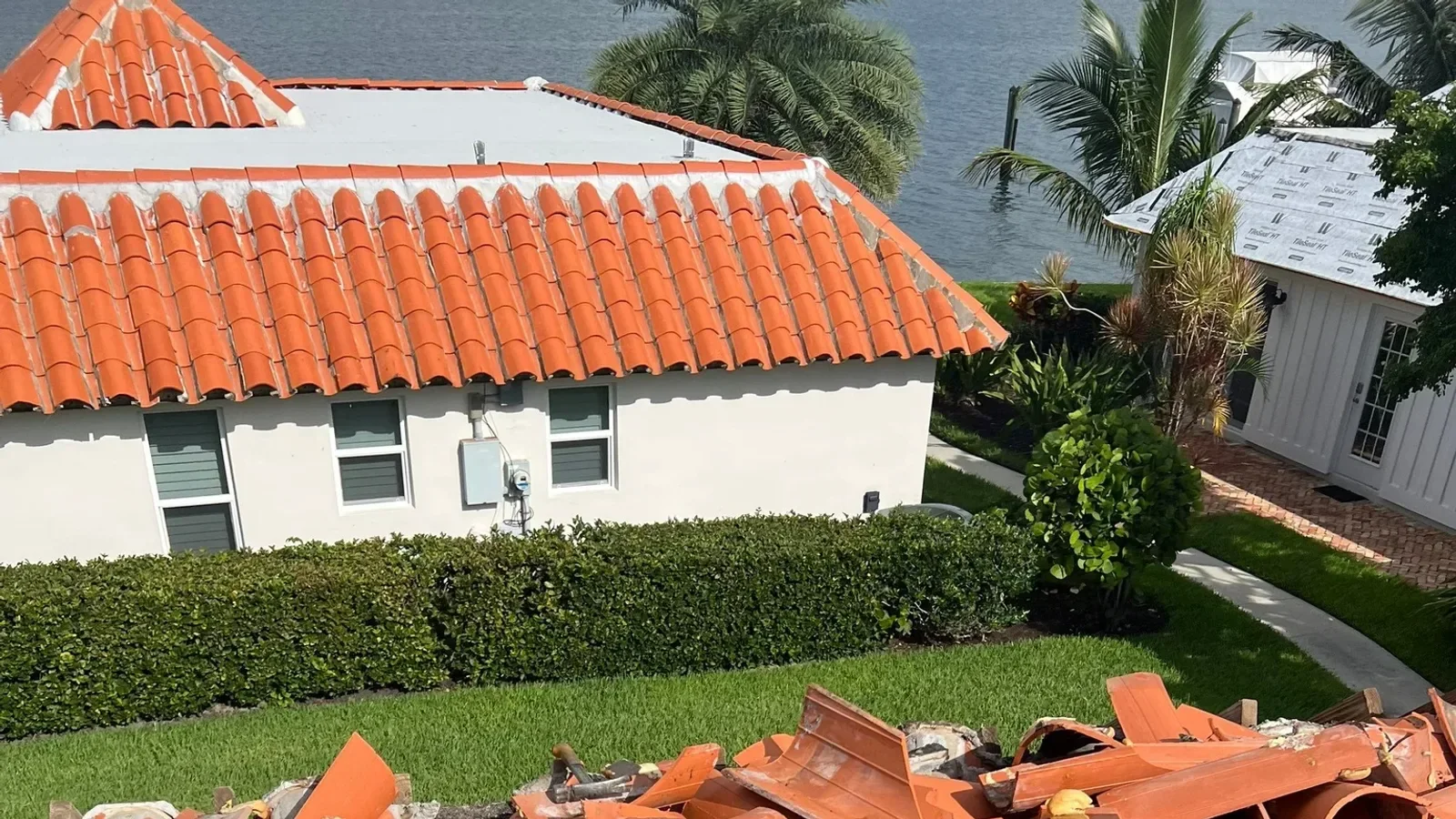
Signs of Hidden Hurricane Damage After a Hollywood FL Storm
When a tropical storm or hurricane sweeps through Hollywood, Florida, the immediate relief of seeing your home intact can bring a false sense of security. High winds, heavy rainfall, and flying debris do not always leave obvious gaping holes or missing shingles. Often, the most destructive forces of a coastal storm manifest as hidden compromises in your roof structure. Identifying these invisible issues early prevents minor wear from escalating into major structural rot, saving you from premature replacement and protecting your home investment.
The Myth of the Undamaged Roof: Why Ground Inspections Fail
The Illusion of Intact Shingles
After a major South Florida storm, many homeowners step into their yards, look up at their rooflines, and assume everything is fine because they do not see bare wood or missing tiles. This visual assessment is highly unreliable. High winds can lift shingles or tiles just enough to break their adhesive seals without tearing them away. Once the wind subsides, gravity pulls these components back into place, making them look completely normal from the ground while leaving the underlying deck vulnerable to driving rain.
How Wind Uplift Actually Works
Wind flowing over a pitched roof creates a vacuum effect, known as wind uplift, which pulls upward on the edges and ridge lines of your home. This suction pressure bends flexible asphalt shingles back, snapping the delicate thermal seal that bonds them together. When the storm passes and the materials settle, they no longer shed water correctly. Water from subsequent afternoon showers easily slips beneath these loose materials, soaking the underlayment and plywood decking beneath.
The Limits of DIY Binocular Checks
Using binoculars to scan your roof from the driveway is a common tip, but it rarely reveals the micro-fractures, loose flashing seals, or subtle fastener pull-outs that occur during high-velocity hurricane zone (HVHZ) wind events. Professional assessment from an experienced roof repair company utilizes specialized training to locate these structural weaknesses before they manifest as active ceiling leaks inside your living room.
The Silent Danger of Compromised Underlayment
Understanding the Secondary Water Barrier
Your primary roofing material, whether it is clay tile, metal panels, or architectural shingles, acts as the first line of defense against the elements. However, the true waterproofing hero is the secondary water barrier or underlayment beneath them. In Hollywood, Florida, building codes strictly regulate underlayment standards due to our susceptibility to high-wind events. When wind-driven rain forces water underneath your outer roof covering, the underlayment must block it. If storm debris or wind stress has punctured this barrier, your home has no backup defense against water intrusion.
Signs Underlayment Has Failed
Because the underlayment is buried beneath the outer roof layer, you cannot see physical tear damage directly. Instead, look for indirect signs of failure. These include unexplained damp smells in your attic, localized high humidity inside the home, or faint, circular yellow water stains on the ceiling drywall. These signs indicate that water has penetrated the outer defense and the secondary barrier is slowly allowing moisture to seep into the wood framing.
The Progression from Dampness to Rot
Once moisture breaches the underlayment, it pools on the plywood sheathing. In the humid, warm climate of South Florida, wet wood becomes a breeding ground for wood-decaying fungi. Left untreated, this wood softens, loses its structural integrity, and eventually sags. What could have been fixed with a targeted roof repair can quickly turn into a costly decking replacement if the moisture is allowed to sit for weeks or months after a storm.
How to Identify Creeping Water Intrusion in Your Attic
Conducting a Safe Daytime Attic Check
The attic is the most reliable diagnostic space for detecting hidden storm damage. Grab a bright flashlight and head upstairs during a sunny day. Turn off the attic lights and look upward. If you see pinpricks of daylight peeking through the roof deck, particularly around valleys, chimneys, or vent pipes, you have an active pathway for water. Even if it is not raining, those tiny light sources will become entry points during the next South Florida downpour.
Tracking Down Active and Dry Water Stains
Shine your flashlight along the rafters, trusses, and the underside of the roof sheathing. Look for dark, circular water stains or vertical streaks running down the wood. Wet wood will appear darker and may reflect light, while old, dry leaks often leave a white, powdery residue known as efflorescence. Pay close attention to the areas around roof penetrations, such as plumbing stacks and attic exhaust vents, as these are common failure points under storm-force winds.
| Attic Visual Cue | Potential Hidden Issue | Recommended Action |
|---|---|---|
| Pinpricks of daylight | Missing or shifted shingles/underlayment puncture | Schedule a professional drone or physical inspection |
| Dark, damp wood sheathing | Active water intrusion / saturated insulation | Call for targeted repair to dry out and reseal the area |
| Rusty roofing nails protruding | High attic humidity or water leaking down nail shafts | Verify nail seals on outer roof surface and check ventilation |
| Discolored or matted insulation | Slow drip from a compromised valley or flashing | Replace affected insulation and seal the source of water entry |
Evaluating Attic Insulation Health
Fiberglass, cellulose, or spray foam insulation should be fluffy and dry. If you notice areas where the insulation is matted down, clumpy, or discolored, water has likely dripped onto it from above. Saturated insulation loses its thermal resistance, raising your cooling bills in the hot Hollywood summer, and it holds moisture against your ceiling drywall, creating a sag hazard.
The Subtle Danger of Metal Flashing and Valley Failures
Why Roof Metal is Vulnerable to Storm Winds
Flashing refers to the thin metal strips installed around roof joints, valleys, chimneys, and dormers to direct water away from critical areas. During a storm, strong wind gusts can get underneath these metal flanges. Even if the metal does not rip away entirely, the wind can bend the flashing, breaking the caulking or sealant barriers underneath. This creates a hidden channel where water can run directly behind your wall cladding or under your roofing material.
The Anatomy of Valley Leaks
Valleys are the intersections where two sloping roof faces meet. They handle the highest volume of water during rainstorms. Debris such as palm fronds, twigs, and pine needles can accumulate in these valleys during high winds, forming natural dams. When water cannot flow freely down the valley, it backs up and rises above the protective flashing barriers, seeping directly into the roof structure.
Recognizing Early Wall and Ceiling Discoloration
When flashing fails around a chimney or roof-to-wall transition, the water does not always drip straight down into the attic. Often, it runs along the interior wall studs or ceiling joists. This can cause peeling paint, bubbling plaster, or faint discoloration at the top of your walls where they meet the ceiling. If you notice wallpaper peeling or paint blistering after a storm, the root cause is almost certainly a compromised flashing seal on the roof above.
Tile Chipping, Hairline Cracks, and Fastener Fatigue
The South Florida Tile Challenge
Many homes in Hollywood FL feature beautiful concrete or clay tile roofs. While these materials are incredibly durable, they are brittle. During hurricanes, flying tree limbs or even high-velocity hail can strike tiles and cause tiny hairline fractures. These cracks are nearly impossible to see from ground level, but they compromise the water-shedding capability of the tile, allowing water to reach the underlayment during every rain event.
Fastener Fatigue and Lifting
Tile roofs rely on heavy-duty screws, nails, or specialized adhesive foam to remain secured to the roof deck. The immense vibrations caused by hours of hurricane-force winds can loosen these fasteners or break the adhesive bond. While the tiles may still look straight and secure, they are now loose. The next minor storm can easily dislodge them, creating a dangerous projectile hazard and exposing your home to immediate water damage.
Why You Need an Expert Inspection After High Winds
A professional physical evaluation is the only way to catch these structural issues. Technicians trained in South Florida roofing standards know how to perform a detailed assessment, checking the stability of individual tiles, looking for micro-cracks, and verifying that the fastner systems are still structurally sound. Booking a thorough roof inspection Hollywood FL ensures that these tiny issues are addressed before they become costly structural failures.
The Critical Role of Gutter Alignment and Drip Edge Stability
Drip Edge Separation
The drip edge is a metal flashing installed along the margins of your roof to direct water away from the fascia board and into your gutters. Strong storm winds often get under the drip edge, pulling it outward. This creates a gap between the edge metal and the fascia. Instead of flowing safely into your gutters, rainwater now runs down the wooden fascia boards and soffits, leading to wood rot and opening an entryway for pests.
Gutter Sag and Slope Misalignment
Heavy storm rains can overload your gutter system, especially if they become clogged with leaves and windblown debris. The sheer weight of the water and debris can bend the gutter hangers, causing the gutters to sag or lose their proper pitch toward the downspouts. When gutters cannot drain quickly, water overflows. This overflow back-ups under the edge of your roof shingles, damaging the structural wood at the edge of your roofline.
Soffit and Fascia Water Damage
If you notice water stains, rotting wood, or peeling paint on your wooden soffits or fascia boards underneath your roofline, your drip edge or gutter system has failed to shed water properly. This hidden storm damage can go unnoticed for months until the wood becomes so soft that it begins to collapse, attracting nesting insects or rodents looking for an easy entry point into your warm attic space.
What to Do if You Suspect Hidden Storm Damage
Document Everything immediately: Take photos of your home from all angles from the ground, noting any debris in your yard, fallen tree branches, or granules accumulating in your gutter downspouts.
Check your attic: Safely inspect your attic space during daylight hours using a flashlight, looking for dark spots, damp insulation, or pinpricks of light.
Avoid dangerous DIY roof walks: Tile roofs are slippery and easily damaged by untrained footsteps, while metal roofs can be incredibly slick. Leave the high-altitude climbing to a licensed and insured professional.
Schedule a professional evaluation: Contact a trusted local company to perform a comprehensive physical and digital check of your entire roofing system.
Frequently Asked Questions
How do I know if my roof has wind damage if no shingles are missing?
Wind damage often occurs when high gusts break the adhesive seal beneath the shingles, lifting them up and then dropping them back down. While they look intact from the ground, they are no longer sealed to protect against water. A professional can identify these unsealed shingles by gently testing their adhesion manually during an inspection.
Can I wait until next hurricane season to fix minor leaks?
Waiting is highly risky. Even a small, slow leak can saturate your roof decking, rot the structural wood trusses, and ruin your attic insulation within a few weeks. The high humidity in Hollywood, Florida accelerates mold growth and wood decay, turning a simple repair into an expensive, full-scale roof replacement if left unaddressed.
Will my homeowner's insurance cover hidden storm damage?
Most homeowner's insurance policies cover sudden storm damage, but they require you to file claims within a specific timeframe after the event. Waiting too long to inspect and document the damage can lead to claim denials, as insurance adjusters may argue the wear is due to normal neglect rather than the storm itself.
What is the difference between a roof repair and an emergency roofing service?
A standard repair addresses localized wear, flashing leaks, or broken tiles during normal business hours. An emergency roofing service is required when a storm causes severe, immediate damage, such as a fallen tree limb puncturing the roof deck, leaving the interior of your home actively exposed to heavy rain and wind.
Protect Your Hollywood Home After the Storm
Do not let hidden storm damage quietly compromise the safety and value of your home. Contact PSR Roofing Company of Hollywood today to schedule your roof inspection Hollywood FL and ensure your home remains completely protected against the next South Florida storm.