Evaluating Flat Roof Lifespan and Maintenance Needs in Hollywood, Florida
Flat roofing systems face a unique set of environmental challenges in South Florida. Unlike sloped roofs that shed water instantly, a flat roof must withstand intense ultraviolet radiation, heavy tropical downpours, and periods of standing water. Property owners in Hollywood, Florida, must understand how these local climate factors affect their building's structure. By actively managing maintenance, you can maximize the performance of your roofing system and avoid premature failure.
The Myth of the Completely Flat Roof
Many property owners assume a low-slope roof is completely level, but this is a common misconception. In reality, modern construction standards require a slight slope to guide water toward drainage points. When a system lacks this subtle slope, water collects in shallow pools, leading to accelerated wear and structural strain.
Understanding Minimum Slope Requirements
Building codes generally require low-slope systems to have a minimum slope of one-quarter inch per foot. This slight incline ensures water travels toward drains, scuppers, or gutters rather than sitting on the membrane. When a structure settles over time, these slopes can shift, creating low spots where water accumulates.
The Dangerous Dynamics of Ponding Water
Ponding water is defined as standing water that remains on a rooftop for more than 48 hours after rain ceases. In Hollywood, Florida, where high humidity slows evaporation, ponding water acts as a magnifying glass under the intense sun, concentrating heat on the underlying membrane. This process accelerates chemical breakdown and UV degradation, causing the material to dry out, crack, and lose its flexibility.
How Sitting Water Damages Roofing Joints
While the center of a roofing membrane sheet is highly water-resistant, the seams and flashing points are vulnerable. Continuous exposure to standing water softens adhesives and stresses mechanical fasteners. Once water penetrates a seam, it quickly compromises the insulation boards beneath, leading to hidden rot and mold growth.
How South Florida’s Climate Accelerates Flat Roof Wear
Hollywood, Florida, experiences some of the most demanding weather conditions in the country. The combination of salt-laden ocean air, relentless solar heat, and high-velocity wind events places constant stress on low-slope systems.
The Impact of High UV Exposure
The subtropical sun delivers high levels of ultraviolet radiation year-round. This radiation breaks down the polymers in single-ply membranes and modified bitumen systems. Over time, this thermal degradation makes the material brittle, making it susceptible to cracking during temperature fluctuations.
Thermal Expansion and Contraction
During a typical summer day in South Florida, roof surface temperatures can climb significantly. When a sudden afternoon thunderstorm hits, the temperature drops rapidly. This rapid cooling causes thermal shock, forcing the roofing materials to contract quickly. This repeated cycle of expansion and contraction pulls at seams, flashings, and perimeter attachments.
Salt Air and Coastal Humidity
Located right on the Atlantic coast, Hollywood properties are constantly exposed to airborne salt. This salt accelerates the corrosion of metal flashing, structural fasteners, and drainage components. Moist, salty air also encourages the growth of algae and lichen, which hold moisture against the roof surface and degrade protective coatings.
Comparing Flat Roof Materials: Lifespan and Resilience
Different materials offer varying lifespans and maintenance requirements. Selecting the right material for a residential flat roof or a commercial flat roofing system depends on your budget, structural load limits, and long-term performance goals.
Modified Bitumen Systems
Modified bitumen is an evolution of traditional built-up roofing. It combines asphalt with rubber or plastic modifiers to improve flexibility and strength. Typically installed in two or three layers, it offers excellent resistance to foot traffic and physical punctures, making it a reliable choice for areas with frequent maintenance access.
TPO (Thermoplastic Polyolefin)
TPO is a popular single-ply membrane known for its reflective white surface. This reflectivity helps lower cooling costs by bouncing solar heat away from the building. TPO seams are hot-air welded, creating a physical bond that is highly resistant to leaks. However, the quality of TPO can vary widely between manufacturers, making professional selection critical.
EPDM (Ethylene Propylene Diene Monomer)
EPDM is a synthetic rubber membrane that is highly durable and flexible. While it resists UV damage exceptionally well, its dark color absorbs heat, which can increase indoor cooling loads unless treated with a reflective top coat. Additionally, EPDM seams rely on adhesive tapes, which can degrade faster under standing water than welded seams.
| Material Type | Average Lifespan (South Florida) | Key Advantages | Primary Vulnerability |
|---|---|---|---|
| Modified Bitumen | 12 - 20 Years | Multi-layer protection, highly puncture-resistant | Seam degradation from standing water |
| TPO (Single-Ply) | 15 - 22 Years | High solar reflectivity, welded seams | Susceptible to puncture from flying debris |
| EPDM (Rubber) | 15 - 25 Years | Excellent UV resistance, highly flexible | Absorbs solar heat, adhesive seam failure |
The Critical Role of Routine Maintenance for Low-Slope Roofs
Neglecting a low-slope roof leads to rapid wear and unexpected leaks. Implementing a structured maintenance routine is the most effective way to protect your investment and avoid early replacement costs.
Clearing Debris and Unclogging Drains
Leaves, twigs, and windblown trash gather quickly in low spots and around drains. When drains clog, water backs up across the roof surface, multiplying the weight load on the building structure. Regularly removing debris ensures water can flow freely off the roof during heavy downpours.
Inspecting Seams and Penetrations
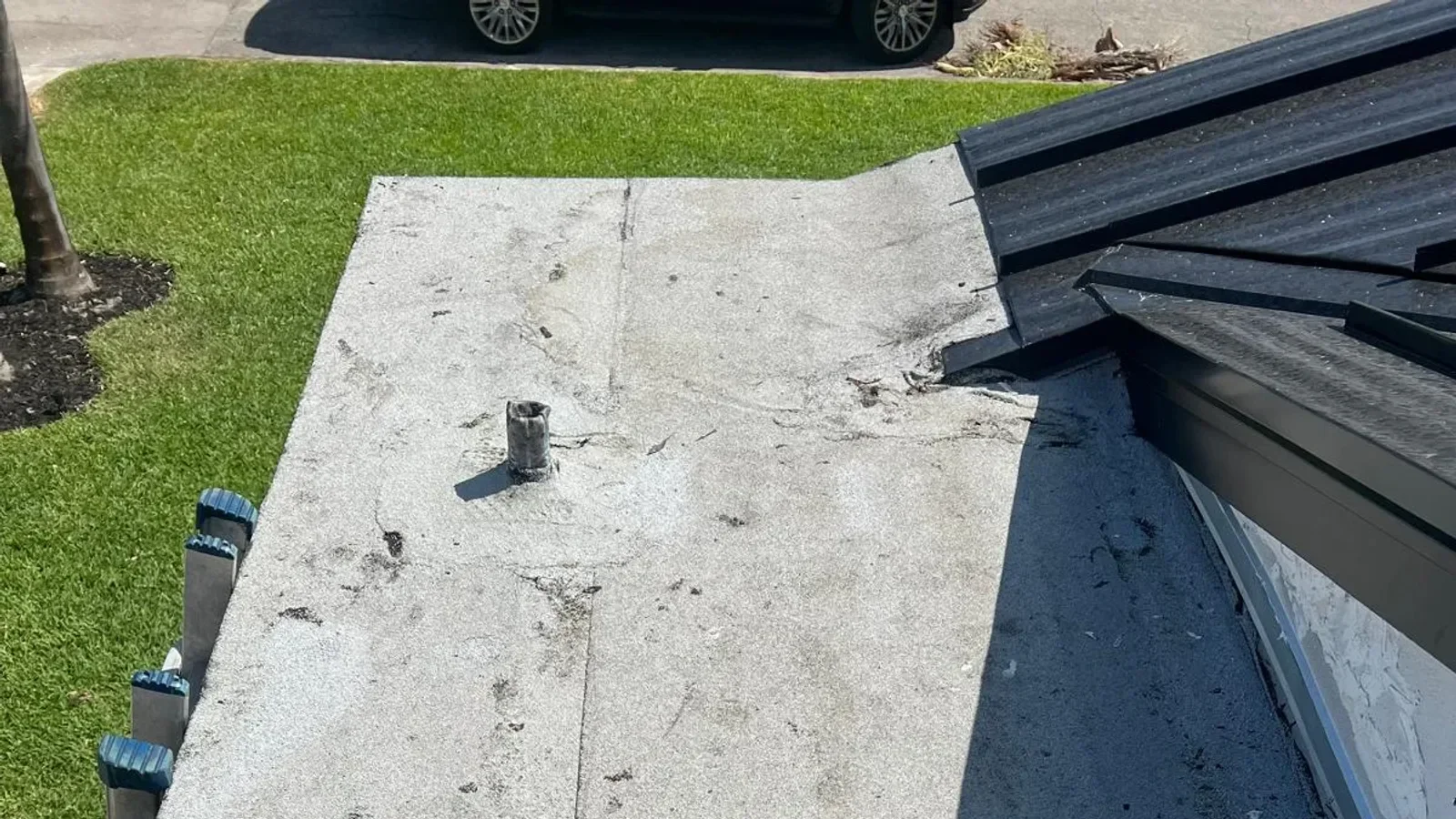
Penetrations such as pipes, vents, and air conditioning supports are the most common source of leaks. The sealant around these areas can dry out and crack over time. Regular inspections allow for timely flat roof repair hollywood fl before moisture can penetrate the building envelope.
Applying Protective Roof Coatings
Elastomeric or silicone coatings act as a shield against UV rays and water. Applying a high-quality reflective coating can extend the lifespan of an older membrane, reduce indoor temperatures, and restore water resistance. These coatings seal minor cracks and create a seamless barrier across the entire surface.
Identifying Signs of Failure and Repair Options
Knowing when to repair and when to budget for replacement is essential for smart property management. Delaying action can turn a simple patch job into a major restoration project.
Spotting Blisters and Bubbles
Blisters occur when moisture gets trapped between the layers of the roof membrane or under the single-ply sheet. As the sun heats the roof, the trapped water vaporizes and expands, stretching the material. If these bubbles are left unaddressed, they can pop and create open pathways for rain.
Managing Ponding and Sagging Areas
If you notice large pools of water remaining days after a rainstorm, your roof may have structural sagging or settled insulation. While adding extra drains or scuppers can help, deeper issues may require leveling the low areas with tapered insulation during a flat roof replacement hollywood fl.
Addressing Interior Leaks and Mold
Water stains on ceilings or walls are late-stage signs of a leaking roof. Water can travel long distances along structural beams before dripping down, making the physical leak source difficult to pinpoint without specialized moisture-detection tools.
Planning for Replacement: Best Practices
When repairs are no longer cost-effective, a full replacement is required. Proper planning ensures your new roof meets local building codes and delivers long-term durability.
The Importance of Tapered Insulation
During replacement, installing tapered insulation boards is highly recommended. These boards are cut at an angle, creating a custom slope that directs water toward your existing drainage points. This modern technique solves ponding issues without requiring major structural changes to your roof deck.
Understanding Wind Mitigation and Local Codes
Broward County enforces strict building codes due to the threat of hurricanes. New roofs must be engineered to withstand specific wind pressures. Using approved fasteners, heavy-duty adhesives, and reinforced perimeter details ensures your roof complies with local safety standards.
Choosing a Qualified Local Contractor
Flat roofing requires specialized installation techniques, such as hot-air welding or precise hot-asphalt application. Working with a professional team like PSR Roofing Company of Hollywood ensures your roof is installed according to manufacturer specifications, preserving your warranty coverage.
Frequently Asked Questions
How long does a flat roof typically last in Hollywood, Florida?
Depending on the materials used and the quality of maintenance, a flat roof in South Florida generally lasts between 15 and 25 years. Intense heat and standing water can shorten this lifespan if the roof is neglected.
How do I know if my flat roof needs to be replaced or just repaired?
Isolated leaks, minor seam separations, or small blisters can usually be repaired. However, if the underlying insulation is saturated with moisture, or if the membrane is cracked over a large area, a replacement is necessary to protect the building.
How often should I have my flat roof inspected?
It is best to inspect your roof at least twice a year, ideally before and after the summer hurricane season. You should also check for debris and clear the drains after any major storm event.
Can I walk on my flat roof to perform maintenance?
Yes, but you must be careful. While these systems are designed to handle occasional foot traffic for maintenance, dropping tools or wearing hard-soled shoes can puncture single-ply membranes, especially in cold weather or intense midday heat.
Ensure Your Roof Is Ready for the Next Storm
Don't wait for the next heavy rainstorm to find out if your roof has a hidden vulnerability. Contact PSR Roofing Company of Hollywood to schedule your roof inspection today and keep your property dry and secure year-round.