Evaluating Emergency Roofing in Hollywood, FL: Storm Tarping and Hurricane Prep Guide
South Florida hurricane seasons bring intense wind, torrential downpours, and sudden tropical systems that test the structural integrity of every home. In Hollywood, Florida, the combination of coastal winds and high humidity means a minor roof vulnerability can rapidly escalate into a major structural failure. When a storm compromises your shingles, tiles, or metal panels, acting quickly with professional emergency roofing hollywood fl services can prevent cascading water damage to your ceilings, walls, and personal property.
Why Passive Storm Preparation Often Fails Hollywood Homeowners
Many homeowners believe that stocking up on plywood, flashlights, and bottled water constitutes complete storm preparation. While personal safety supplies are essential, passive preparation often overlooks the most critical barrier protecting your home: the roof. Waiting until a major storm system is named in the Caribbean to think about your roof is a recipe for expensive, avoidable damage.
The Myth of the "Indestructible" Roof Tile
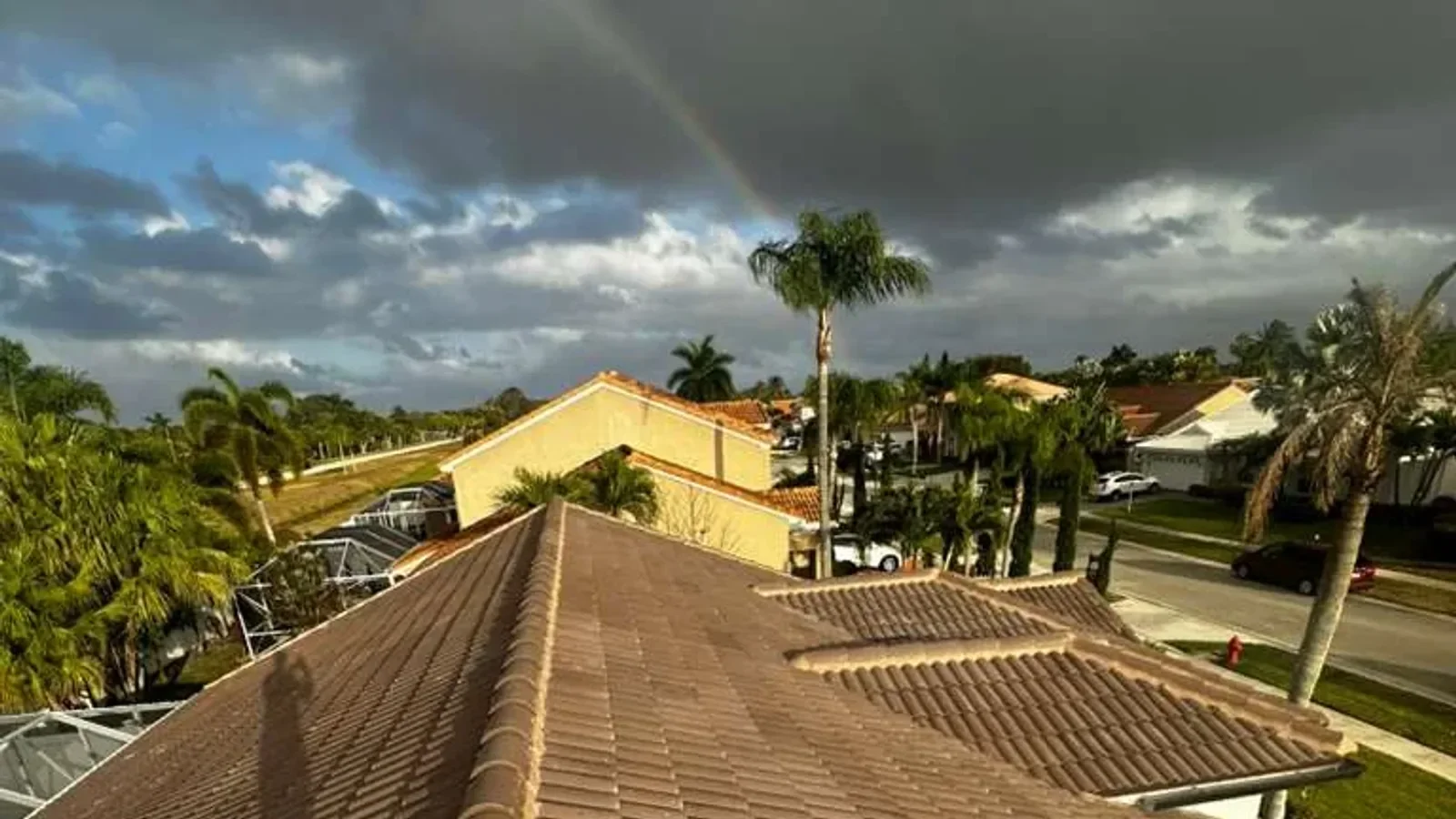
Clay and concrete tiles are incredibly popular across Hollywood neighborhoods like Emerald Hills and Hollywood Lakes. While these materials are exceptionally durable and offer excellent fire resistance, they are not impervious to damage. High-velocity winds can lift loose tiles, while flying debris from nearby palm trees can crack or shatter them. Once a single tile is dislodged, the underlying underlayment is exposed directly to wind-driven rain, leading to rapid water intrusion.
Neglecting the Perimeter and Soffits
A roof does not exist in a vacuum. The edges, fascia, and soffits are highly susceptible to wind uplift. During a tropical storm or hurricane, wind hitting the side of a house travels upward. If your soffits are loose or your fascia boards are suffering from wood rot, the wind can get underneath the roof deck. This upward pressure can peel back roof coverings or, in extreme cases, lift portions of the roof deck entirely off the rafters.
Relying on Outdated Building Standards
Older homes in Broward County built before the adoption of the modern High-Velocity Hurricane Zone (HVHZ) building codes may still have older fastening systems. These older standards did not require the same density of roofing nails, advanced underlayments, or robust tie-downs that are standard practice today. If your roof has not been thoroughly evaluated in recent years, it may not meet the wind-resistance levels needed to withstand a direct hit.
The Critical Role of Emergency Roof Tarping Service After a Storm
When a tropical system or severe thunderstorm tears away a portion of your roof, your home is instantly vulnerable to water damage. In the immediate aftermath of a storm, a professional roof tarping service is the most effective temporary defense available to protect your property until permanent repairs can be scheduled.
Preventing Cascading Interior Water Damage
Once water penetrates the outer roofing material, it travels along rafters and joists, eventually pooling above your drywall ceilings. This water leads to ceiling sagging, ruined insulation, damaged electrical wiring, and stained walls. A tightly secured, heavy-duty tarp sheds water away from the breached area, containing the damage and keeping your living spaces dry while you coordinate with your insurance carrier.
The Mechanics of a Professional Tarp Installation
Professional tarping is not as simple as throwing a blue tarp over a hole and weighing it down with bricks. In high-wind areas like Broward County, an improperly secured tarp will quickly blow away, potentially causing more damage. Professional roofing contractors use heavy-duty, UV-resistant woven poly tarps. These tarps are stretched taut over the ridge of the roof to prevent water from running underneath. They are then secured using wooden furring strips that are nailed directly into non-damaged sections of the roof deck or fascia, ensuring the tarp remains secure even in subsequent heavy rain and gusty winds.
Avoiding the Dangers of DIY Tarping
Attempting to climb onto a wet, slippery roof after a storm is incredibly dangerous. Loose tiles, weakened roof decking, overhead power lines, and gusty winds create a high-risk environment for anyone without professional safety gear. Furthermore, an amateur tarping job can easily trap moisture underneath, leading to wood rot, or damage undamaged shingles and tiles, potentially complicating your insurance claim. Utilizing a professional emergency roof repair contractor ensures the job is done safely and correctly.
Understanding Hurricane Strap Inspection and Roof-to-Wall Connections
While the shingles, tiles, or metal panels are the visible shield of your home, the physical connection between your roof and the walls of your house is what keeps the entire structure intact during extreme wind events. In Broward County, checking these connections is a vital part of comprehensive storm readiness.
What Are Hurricane Straps and Ties?
Hurricane straps or clips are metal connectors made of galvanized steel. They are nailed into both the roof trusses or rafters and the wall top plates (or embedded directly into concrete tie beams in concrete block homes). These connectors are designed to resist the massive uplift forces generated when high winds blow over a roof. Without these straps, the wind uplift can literally lift the entire roof structure off the walls, leading to total building collapse.
The Importance of a Hurricane Strap Inspection
During a professional wind mitigation inspection or a general roofing assessment, a technician will check the status of these connectors. They look for several critical issues:
Corrosion: The salty, humid coastal air in Hollywood can cause older galvanized steel straps to rust and weaken over time.
Missing Nails: Straps must be secured with the correct type and number of nails. Missing or incorrect fasteners greatly reduce the load capacity of the connector.
Lack of Retrofitting: Older homes built before strict code changes may only have simple toenail connections rather than metal straps, requiring a retrofit to bring them up to modern safety standards.
Financial Benefits: Insurance Premium Discounts
Beyond the obvious safety benefits, having verified, code-compliant hurricane straps can significantly lower your homeowner's insurance premiums in Florida. Insurance carriers look closely at the wind mitigation report. If your home has documented, compliant roof-to-wall connections, you are often eligible for substantial credits on the windstorm portion of your policy, helping to offset the cost of the inspection and eventual retrofitting.
Step-by-Step Broward County Storm Prep Checklist for Your Roof
To help Hollywood homeowners protect their properties before the clouds roll in, we have put together a comprehensive roof preparation checklist. Taking these steps ahead of time can mean the difference between a dry home and a costly emergency.
| Preparation Step | Action Required | Why It Matters |
|---|---|---|
| Visual Ground Inspection | Walk around your home with binoculars. Look for cracked, loose, or missing tiles and shingles. | Identifies weak points that high winds can easily exploit. |
| Gutter Clearing | Remove leaves, pine needles, and debris from gutters and downspouts. Ensure water flows freely away from the foundation. | Prevents heavy rain from backing up under the roof edge and causing rot along the fascia board. |
| Tree Trimming | Cut back overhanging tree branches, especially palm fronds and heavy limbs near the roofline. | Prevents branches from scratching the roof surface or snapping and falling during high wind events. |
| Inspect Flashing and Sealants | Check the metal flashing around chimneys, skylights, and vents. Ensure roof sealant is intact. | These joints are highly vulnerable to water penetration during wind-driven rain. |
| Document Roof Condition | Take clear, dated photos of your entire roof from the ground before storm season begins. | Provides invaluable "before" evidence for your insurance company if you need to file a storm damage claim. |
How PSR Roofing Company of Hollywood Manages Emergency Roofing Scenarios
When severe weather strikes Hollywood, Florida, having a reliable local partner makes all the difference. PSR Roofing Company of Hollywood is deeply familiar with the unique architecture, climate challenges, and building codes of our local community.
Rapid Response and Assessment
After a storm passes and it is safe to travel, our experienced roofing technicians respond promptly to assessment requests. We perform a thorough evaluation to determine the extent of the damage. We focus on identifying immediate safety hazards, structural weaknesses, and active leaks to prioritize the most critical stabilization needs first.
Professional Tarping and Stabilization
Our team uses commercial-grade materials and industry-proven techniques to secure your roof. We do not cut corners. Our temporary tarping installations are designed to hold up against subsequent rains, giving you peace of mind and breathing room while we work with you to plan a permanent repair or replacement strategy.
Navigating the Insurance Claim Process
Dealing with homeowners insurance after a major storm can feel overwhelming. We provide comprehensive documentation, including detailed damage assessments, photographic evidence, and transparent repair estimates. This clear information helps streamline the claims process, making it easier for you to get the coverage you are entitled to under your policy terms.
Frequently Asked Questions About Emergency Roofing in Hollywood
How long can an emergency roof tarp remain on my home?
While a professionally installed, high-quality tarp is incredibly durable, it is strictly a temporary solution. In the intense South Florida sun and frequent rain, a tarp should generally not be left on a roof for more than 30 to 90 days. Prolonged exposure can cause the material to degrade, and moisture trapped beneath the tarp can eventually lead to mold and wood rot. It is important to schedule permanent repairs as soon as possible.
Can I install a temporary tarp myself after a storm?
We highly discourage homeowners from attempting to climb onto their roofs, especially after a major storm. Roof surfaces can be extremely slippery, structural integrity may be compromised, and active hazards like downed power lines or broken tree limbs pose severe risks. Professional contractors have the specialized safety harnesses, ladders, training, and experience to secure the area safely.
What should I do immediately if my roof starts leaking during a storm?
If your roof begins leaking while a storm is actively raging, prioritize your safety. Do not attempt to go outside or climb onto the roof. Place buckets, plastic bins, or pots under the leak to catch dripping water, and move electronics, furniture, and valuables out of the affected area. Take photos and videos of the active leak inside your home for insurance documentation, and call a professional roof inspection specialist as soon as the storm clears.
Does homeowner's insurance cover the cost of emergency tarping?
Most standard homeowner's insurance policies cover the cost of emergency temporary repairs, including professional tarping services. Insurance companies actually expect policyholders to take reasonable steps to prevent further damage to the property after a loss occurs. Be sure to keep all receipts, invoices, and photos of the damage to submit with your claim.
Secure Your Roof Ahead of the Next Big Storm
Proactive preparation is always the best defense against South Florida's volatile weather systems. For complete peace of mind, contact PSR Roofing Company of Hollywood to schedule your emergency roofing assessment today before the next storm system approaches Broward County.